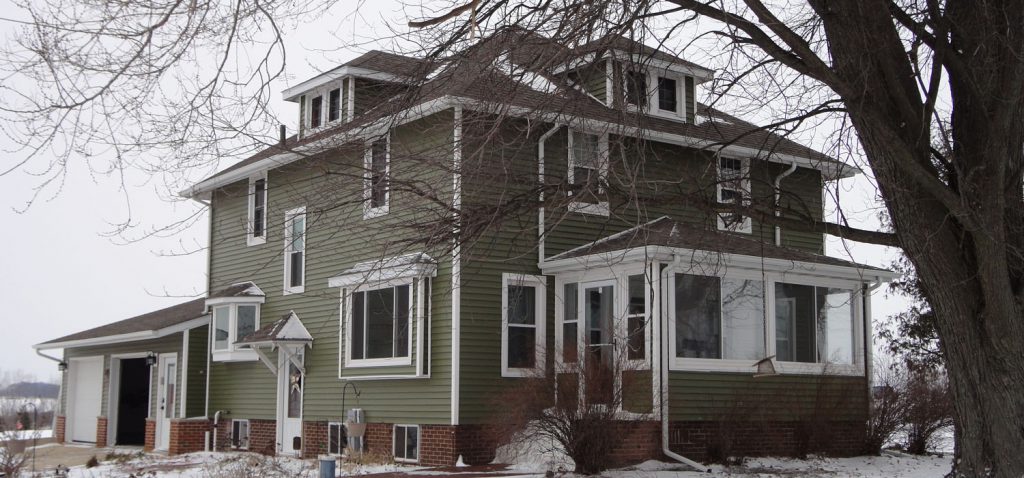
Melting snow keeps water on the roof for days, and an ice dam can trap it so it backs up under the shingles. Meltwater also sits against flashing longer than rain does. Melting attic frost can drip through the ceiling even when the roof is sound.
Get My Free Estimate →- What to do if water is coming in now
- Where the water shows up, and what it points to
- Ice dams: the most common cause
- Melting attic frost: the leak that is not a roof leak
- Meltwater behind chimney, skylight and wall flashing
- Vent pipes, worn shingles and low-slope sections
- Can a roof leak be fixed in winter?
- Will insurance cover a leak from melting snow?
- Stop the next thaw from leaking
- Get your roof leak found and fixed
- FAQs
A roof that leaks only when snow melts usually has one of four problems. An ice dam is trapping meltwater at the eave, frost in the attic is melting, meltwater is getting behind flashing, or worn shingles are letting standing slush through.
Where the water shows up, and when it starts, tells you which one to suspect. If water is coming in now, call our 24-hour storm line at (608) 909-9109.
Buckshot handles roof repair, ice dam removal and emergency repairs across Wisconsin and Iowa. This guide helps you narrow down the cause and stop the next thaw from doing more damage.
What to do if water is coming in now
Protect the room first, and stay off the roof. A snowy or icy roof is the most dangerous place to look for a leak.
- Catch the water. Move furniture and rugs, and set buckets and towels under the drips.
- Cut power near the water. If water is near a light fixture or ceiling fan, switch that circuit off at the breaker.
- Take photos. Photograph the stains inside and the ice along the eaves before anything melts or is removed.
- Leave the ice alone. Chipping cracks cold shingles. A roof rake used from the ground can pull snow off the lower three to four feet of the roof.
- Call for help. Our storm line answers 24 hours a day, and our crews respond within about two hours and move the same day on an active ice dam leak.
Our guide to ceiling water stains covers the first hour inside the house, including what to do when a ceiling bulges with water.
Where the water shows up, and what it points to
Note where the water appears and what the weather was doing. Each cause below has its own section further down.
| Where and when | Most likely cause | What to look for |
|---|---|---|
| Along an outside wall or at the tops of windows, during a thaw | Ice dam | A ridge of ice along the eaves and heavy icicles |
| Spread across the ceiling on a sunny day after a cold spell | Melting attic frost | Frost or water drops on the nails in the attic |
| Around a chimney, skylight or dormer, or where a roof meets a wall | Meltwater behind flashing | Snow piled against the uphill side |
| Under a vent pipe or roof vent | A cracked vent boot or loose vent flashing | Water running down the pipe in the attic |
| In one spot mid-roof, after a heavy snow | Worn shingles, nail pops or a low-slope section | Lifted or cracked shingles once the snow clears |
Ice dams: the most common cause
Heat escaping from the house melts the snow on the upper roof. The water runs down to the cold eave and freezes again, and the ridge of ice traps the next meltwater, which backs up under the shingles.
Ice dam leaks show up near the outside walls, at window tops and in the soffits, often days into a thaw. Our ice dam guide explains the causes and the lasting fixes in detail.
Our crews clear an active dam without chipping, which protects the shingles and flashing, and then look in the attic for the heat loss behind it. Newer roofs have a waterproof ice and water shield along the eaves, which limits how far backed-up water gets.
Melting attic frost: the leak that is not a roof leak
During a cold spell, moist air from the house freezes on the underside of the roof deck. On the first sunny thaw, that frost melts all at once and drips through the insulation and the ceiling, even when the shingles are sound.
Frost drips tend to spread across the ceiling rather than return to one spot. A bathroom fan that vents into the attic is a common source, and our guide to frost in the attic covers the others.
A roof repair alone will not stop frost drips. The fix is removing the moisture and balancing the attic ventilation.
Meltwater behind chimney, skylight and wall flashing
Snow piles up on the uphill side of a chimney, a skylight or a dormer wall and melts slowly for days. Water sits against the flashing far longer than it does in a rainstorm, so a small gap that never leaks in rain can leak in a thaw.
Wide chimneys without a cricket behind them hold the most snow. Freeze and thaw cycles also open cracks in old sealant, as our guide to preparing a roof for winter explains.
A wet skylight in winter is often condensation rather than a leak, and our guide to skylight condensation shows how to tell them apart. For chimneys, a lasting fix is new metal flashing, which our chimney flashing service covers.
Water coming in when the snow melts? Call (608) 909-9109 for our 24-hour storm line, or schedule a free roof and attic inspection before the next thaw.
Free on-site inspection · Family-owned since 1979
Vent pipes, worn shingles and low-slope sections
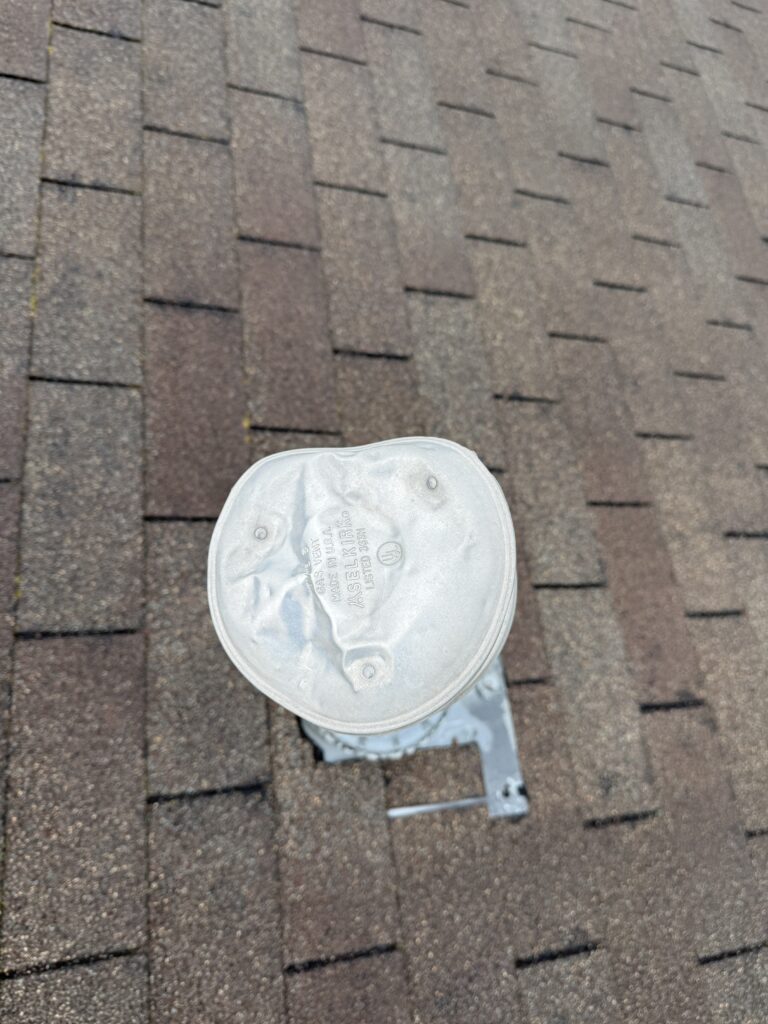
The rubber boot around a plumbing vent cracks with age and cold, and meltwater runs down the pipe into the attic. Our guide to roof vent leaks covers each type of vent and how it is sealed.
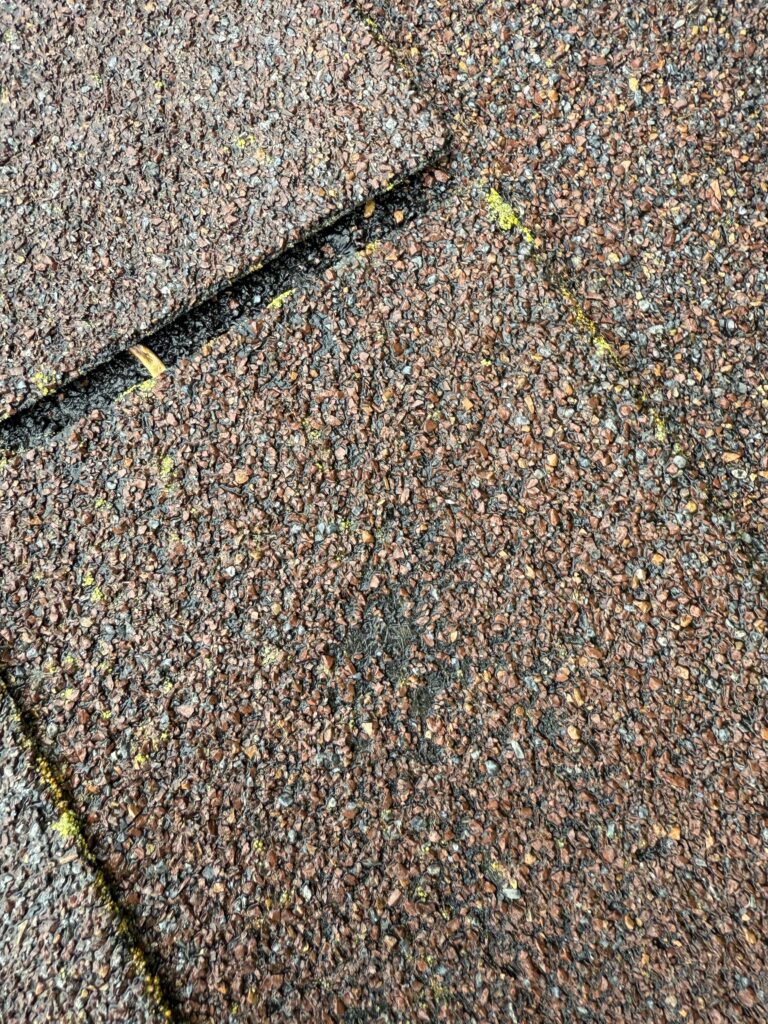
Worn, cracked or lifted shingles, and nail pops, can shed a quick rain but let standing slush through. Low-slope roofs over porches and additions drain slowly, so melting snow sits on them the longest.
Heavy snow adds weight as well as water. Our guide to snow load lists the warning signs that call for a roofer before the next storm.
Want a straight answer on your roof?
We'll inspect it, document everything, and tell you honestly what you're looking at, even if the answer is patch it for now. No pressure.
Can a roof leak be fixed in winter?
Much of the work can, and an active leak should not wait for spring. Ice dam removal, temporary protection and many flashing and vent repairs happen in cold weather.
Shingles are brittle below about 40 degrees, and their sealant strips do not bond until the weather warms. Where a full repair needs milder weather, we stop the water first and finish the permanent repair in the first stretch of mild days.
Will insurance cover a leak from melting snow?
Sudden, accidental damage, such as water backing up behind an ice dam, is often covered. Long-term seepage, worn-out shingles and attic condensation are typically excluded, and your adjuster makes the call.
Report the damage promptly, and keep photos and receipts. Our guide to ice dams and insurance explains what usually gets paid and why claims get denied.
Stop the next thaw from leaking
A few steps before and during the winter keep most snowmelt leaks from starting.
- Rake the lower few feet of snow from the ground after heavy storms
- Clear the gutters before they freeze, so meltwater can drain
- Seal air leaks into the attic and keep the soffit vents open
- Run bathroom and kitchen fans to the outside, never into the attic
- Have flashing, vent boots and worn shingles repaired before the next thaw
Get your roof leak found and fixed
Buckshot Exteriors is family-owned, has served homeowners since 1979, and has offices in Madison, Wisconsin and Centerville, Iowa. Our own residential roofing crews handle ice dam removal, roof and flashing repair, and attic ventilation.
Call (608) 909-9109 for an active leak, or send us a message to schedule a free roof and attic inspection. If you would rather check first, note where the water appears and what the weather was doing when it started.
Get a straight answer on your Madison roof
Wisconsin storm season and insurance non-renewal letters do not wait. Get a free, no-obligation inspection and an honest assessment of exactly what your roof needs, even if the answer is to wait.