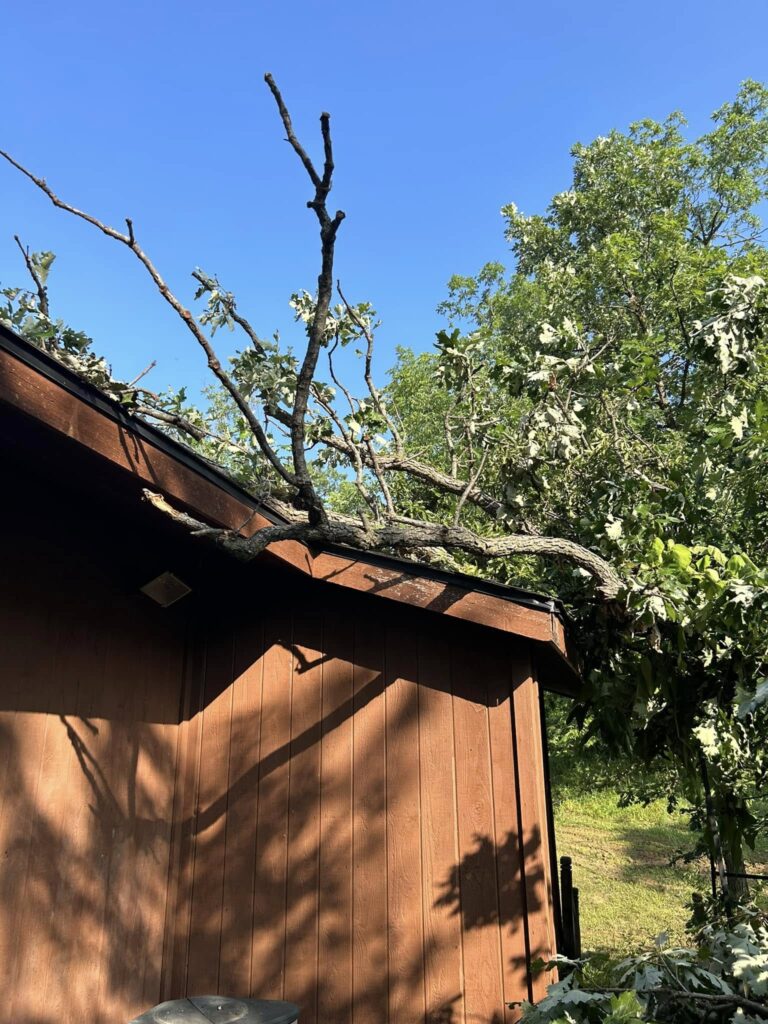
It means your insurer can refuse to pay for hail damage that changes how a roof or other surface looks without affecting how it works. Policy wording often describes it as marring, pitting or denting that alters appearance but leaves the roof able to keep out the elements. Damage that lets water in is usually still covered.
Get My Free Estimate →- What is a cosmetic damage exclusion?
- Why the exclusion matters after hail
- Cosmetic vs functional hail damage
- What courts have said about cosmetic exclusions
- How to find out if your policy has one
- If your hail claim is denied as cosmetic
- Choosing a roof with the exclusion in mind
- Getting a hail claim documented properly
- FAQs
A cosmetic damage exclusion lets your insurer refuse to pay for hail damage that changes how your roof or siding looks without affecting how it works. It is most often attached to metal roofs, where hail can leave dents that never leak.
Under one of these exclusions, a dented roof that still keeps water out may not be paid for. Damage that lets water in, such as a puncture or a split seam, is normally still covered.
What is a cosmetic damage exclusion?
A cosmetic damage exclusion is usually an endorsement, an add-on page that changes the standard policy. Policy wording varies, but it typically describes cosmetic damage as marring, pitting, denting or other surface damage that alters appearance while leaving the roof able to keep out the elements as it did before.
Many exclusions apply only to metal roofing. Others extend to metal siding, gutters, trim or other surfaces, so the exact wording on your policy decides what is affected.
Why the exclusion matters after hail
Metal roofs often dent in a hailstorm long before they leak. Dented panels can still shed water for years, but replacing them later costs as much as replacing undamaged panels.
Homeowners usually learn about the exclusion only after a storm, when an adjuster agrees there is hail damage and then explains that the policy will not pay for it. That is why it is worth checking your policy before the next storm season.
Cosmetic vs functional hail damage
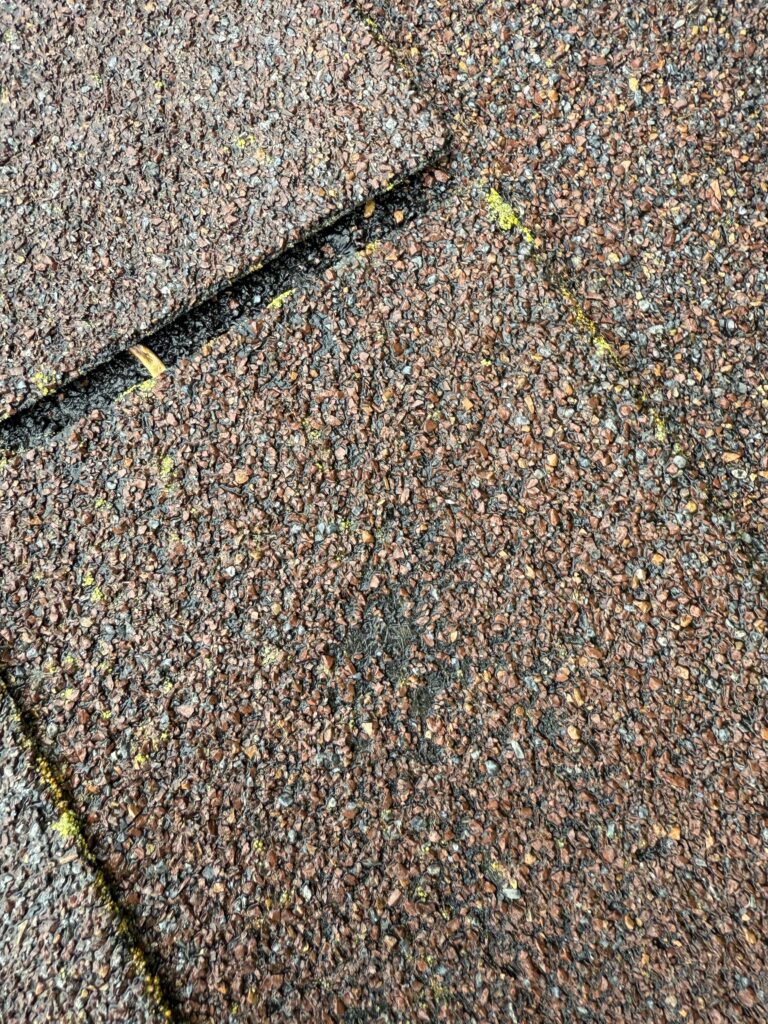
The key question in any of these claims is whether the hail damage affects how the roof or wall works. Insurers and homeowners argue over this line more than over whether hail struck at all.
Damage insurers usually treat as cosmetic includes shallow dents, dings and marks on metal panels where the metal is not broken and no water gets in. Scuffed or chipped paint without bare, corroding metal often falls here too.
Damage usually treated as functional includes punctures, cracked or split seams, fractured panels and fasteners that hail has loosened. Anything that lets water in, or will clearly let it in, belongs on this side.
Some exclusions spell out a leak exception. Under that wording, hail damage to a metal roof is excluded unless it causes water to leak through the surface, so documenting a leak changes the outcome.
Vinyl siding is a useful contrast. Hail cracks and chips vinyl rather than denting it, and a cracked panel lets water behind the wall, which is why vinyl hail damage is usually treated as functional. Our guide to hail damage on siding shows what to look for.
What courts have said about cosmetic exclusions
Courts have mostly enforced these exclusions when the policy wording is clear. In a recent Minnesota case involving a school district's hail-dented metal roofs, the court sided with the insurer because the dents affected how the roofs looked, not how they kept out water.
That court focused on how the roofs performed right after the storm, not on the argument that dented panels might fail sooner in future storms. A federal appeals court panel has also upheld a cosmetic exclusion against a roof hail claim where the damage was shown to be cosmetic.
These rulings depend on the exact policy language and the state. Treat them as a sign of how insurers will read the exclusion, then read your own policy.
How to find out if your policy has one
Start with your declarations page, which lists every endorsement attached to the policy by name or form number. Then ask your agent for the full wording of each endorsement, because the list alone does not show what is excluded.
Search the endorsement text for words like "cosmetic," "marring," "dents," "appearance" and "function." Note which surfaces it covers, whether it includes a leak exception, and whether it applies to the roof only or to siding and gutters too.
Check again at renewal. Insurers sometimes add endorsements at renewal with a notice that is easy to miss, and some may offer coverage without the exclusion at a different price.
Not sure what your policy means for the roof you have? Call (608) 909-9109 for a free on-site inspection, and we will meet your adjuster on site if there is hail damage.
Want a straight answer on your roof?
We'll inspect it, document everything, and tell you honestly what you're looking at, even if the answer is patch it for now. No pressure.
If your hail claim is denied as cosmetic
Ask for the denial in writing, with the endorsement and the specific wording the insurer relied on. A written denial tells you exactly what you need to disprove.
Then document functional damage. Have the roof inspected for punctures, cracked seams, loosened fasteners and any sign of water getting in, with close-up photos, measurements and notes on where each item is.
Ask for a reinspection with your contractor present, and bring evidence of any leak, such as attic staining or wet insulation. If the disagreement is only about the amount of the loss, most policies include an appraisal clause, although appraisal generally decides the amount rather than whether damage is covered.
If you still disagree, you can file a free complaint with the Wisconsin Office of the Commissioner of Insurance or the Iowa Insurance Division. For a large loss, a public adjuster or an insurance attorney can review the denial. Our guide to what to do when a roof claim is denied covers each step.
Choosing a roof with the exclusion in mind
If you are replacing a roof, ask your agent how a cosmetic exclusion would apply to each material you are considering. The answer can change how much protection a metal roof actually buys you in a hail-prone area.
Impact-rated materials resist hail damage in the first place. Our guide to Class 4 impact-resistant shingles explains the rating and possible insurance discounts, and our metal roofing page covers metal options.
For a sense of when hail starts to cause real damage, see our guide to what size hail damages a roof.
Getting a hail claim documented properly
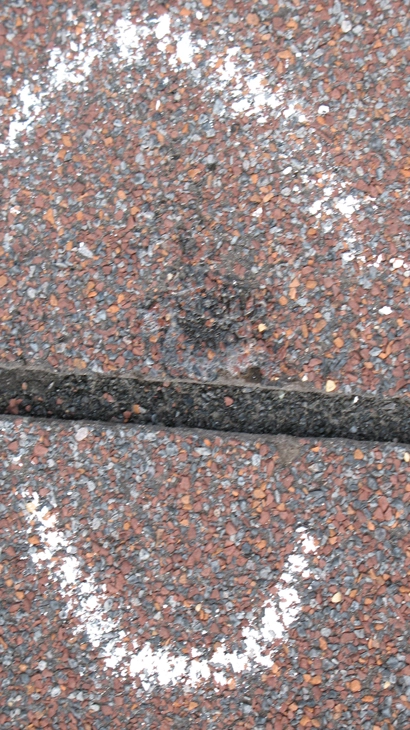
A cosmetic exclusion turns every hail claim into a question of evidence. The claim goes better when functional damage is found and photographed before the adjuster writes the estimate.
Buckshot Exteriors is family-owned and has worked on roofs and exteriors since 1979, with offices in Madison, WI and Centerville, IA. We offer a free on-site inspection and meet your insurance adjuster on site to document hail and wind damage.
Our hail damage page explains repairs, our insurance claims page explains the process, and our storm damage team page covers what we inspect. Call (608) 909-9109 to schedule a free inspection.
Get a straight answer on your Madison roof
Wisconsin storm season and insurance non-renewal letters do not wait. Get a free, no-obligation inspection and an honest assessment of exactly what your roof needs, even if the answer is to wait.