As soon as possible - ideally within a few days. Wisconsin insurance policies typically have a one-year window to file a storm claim, but the sooner you document damage, the easier it is to tie it to a specific storm. Waiting also risks secondary damage from water intrusion.
Get My Free Estimate →- Why Hail Damage Is Easy to Miss (and Easy to Misread)
- What to Check First - From the Ground
- Getting on the Roof: What Hail Damage Actually Looks Like
- A Word About Storm Chasers
- Get a Contractor Inspection BEFORE You Call Your Insurer
- How Age and Condition Affect Your Claim
- What About Residential Roofing That's Already Aging?
- Don't Wait. The Damage Gets Worse.
- FAQs
A storm rolled through last night. Maybe it was that line of thunderstorms that pushed across Dane County, or the one that hammered Green and Rock counties last July. You heard the hail. You saw the dents in your car hood. Now you're standing in your driveway wondering: did my roof take a hit?
Here's the honest answer - you probably can't tell just by looking up from the ground. But there are real signs you can check before anyone calls an adjuster. And knowing what to look for might be the difference between a full insurance-covered replacement and a denied claim.
Why Hail Damage Is Easy to Miss (and Easy to Misread)
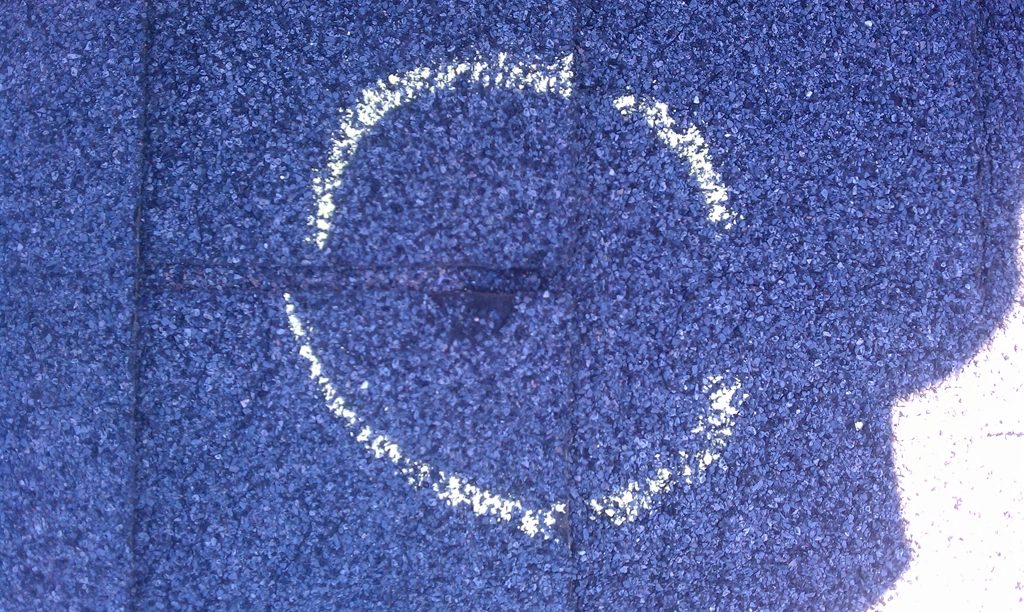
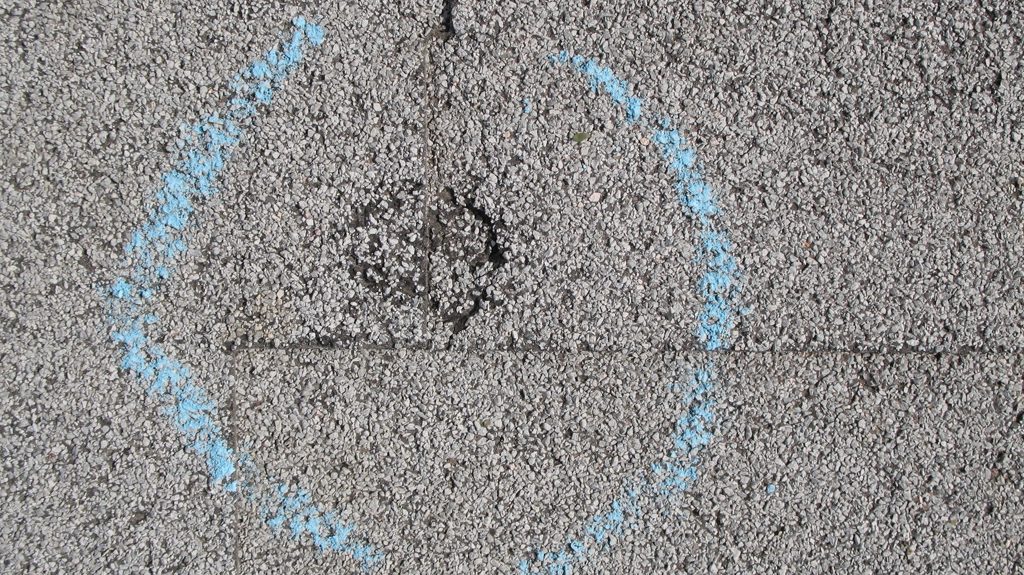
Hail damage on asphalt shingles doesn't look like a hole. It doesn't announce itself. Most of the time it looks like a soft bruise - a dark, roughly circular spot where the granules (those tiny sand-like particles on the surface of the shingle) have been knocked loose.
Those granules aren't decorative. They protect the asphalt layer underneath from UV rays and weather. Once they're gone, the shingle starts breaking down faster. You might not see a leak for a year or two. By then, the damage is compounding, and your claim window may have closed.
That's the sneaky part. Small hail damage today becomes a big roofing problem later.
What to Check First - From the Ground
Before you climb anything, do a quick walk around your property. You're looking for what contractors call "collateral damage" - the stuff that's easier to see and helps confirm a storm actually hit your address hard enough to matter.
Check these areas from the ground:
- Gutters and downspouts - Look for dents, dings, or dimples in aluminum gutters. Even small hail leaves marks. Check where the downspout meets the gutter too.
- Window screens and frames - Hail tears up screens and leaves pockmarks on aluminum window frames and trim. These are great for dating a storm event.
- AC unit fins - The thin metal fins on your exterior AC condenser bend easily. If they're dimpled up, hail was present.
- Siding - Vinyl siding cracks. Aluminum siding dents. Wood siding can show impact marks. Check corners and any horizontal surfaces. (See our siding damage guide for what to look for there.)
- Soft metals on the roof edge - Step flashing, drip edge, and any lead pipe boots are often visible from a ladder at the eave. Dents here are a strong indicator of shingle damage above.
If you're seeing damage to two or more of these items, there's a very good chance your shingles took hits too.
Getting on the Roof: What Hail Damage Actually Looks Like
If you're comfortable on a roof and have the right footwear, you can do a basic visual inspection yourself. If not - and there's no shame in this - call a contractor. Roofs are slippery, pitches are deceptive, and a fall isn't worth it.
What you're looking for on asphalt shingles:
Granule Loss (the most important sign)
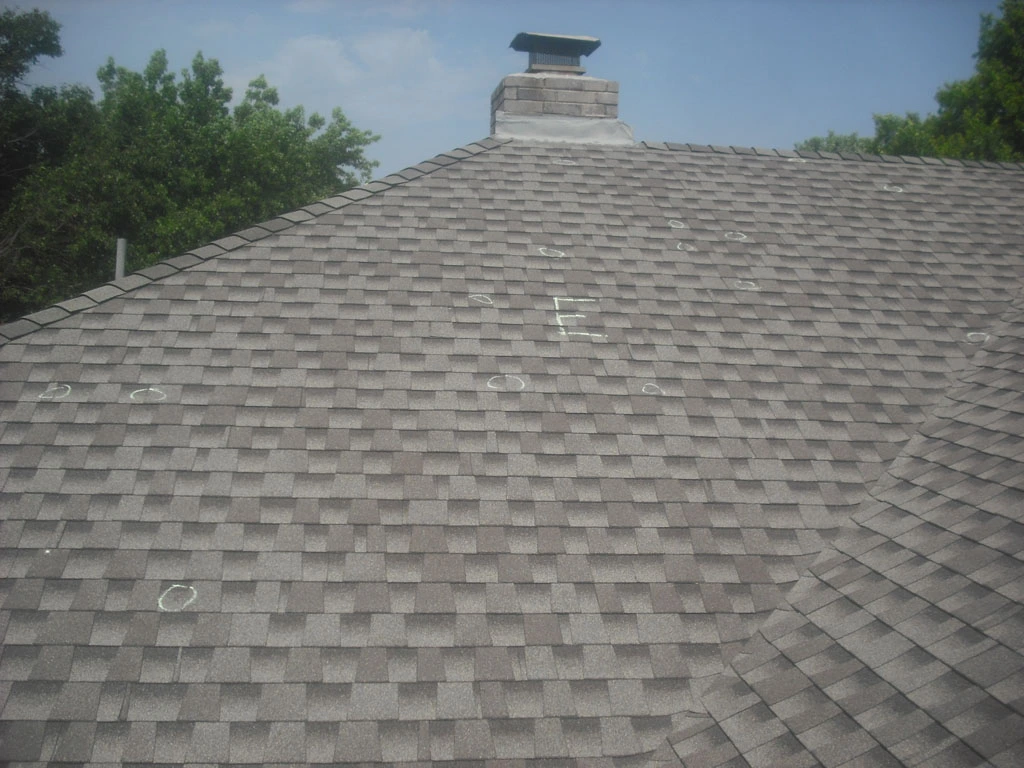
Fresh hail impacts knock granules off in a roughly circular pattern. The exposed spot looks darker, shinier, or just different from the surrounding shingle. Run your hand across it - it'll feel rough and bare where the granules are gone.
Don't confuse this with normal granule loss near the ridge cap or at the edges, which happens with age. Hail damage tends to be scattered randomly across the entire slope, not concentrated in one area.
Soft Bruising
Press gently on a suspect spot. On a shingle that's been hit hard enough, you can sometimes feel a soft, spongy give - the mat underneath has been fractured even if the surface looks okay. This is harder for a homeowner to assess confidently, but it's exactly what a trained inspector looks for.
Cracked or Split Shingles
Larger hail (1" or bigger - golf ball size and up) can crack shingles outright. In Wisconsin, we've seen hail that size in severe supercell storms, particularly in the warmer months from May through September. A cracked shingle is an obvious, immediate problem.
Check the Ridge Cap
The ridge cap takes hits from multiple angles and tends to show damage more clearly. If you're seeing granule loss and bruising on ridge cap shingles, the field shingles below are almost certainly affected too.
A Word About Storm Chasers
After any significant hailstorm in Wisconsin, trucks start appearing. Out-of-state contractors, sometimes with no local address, knock on doors and offer free inspections. Some will tell you there's definitely damage before they've even looked. Some will ask you to sign paperwork right there on your porch.
Walk away.
These "storm chasers" follow the weather. They're here today, gone in two weeks - often before the job is even finished, or before you discover the problems with their work. They have no stake in your community. When something goes wrong (and sometimes it does), there's no one to call.
Hire someone local. Someone who's been in Dane, Rock, or Green County long enough to have a real reputation. Someone you can find on Google with real reviews from real neighbors. We've been doing this work in south-central Wisconsin since 1979 - you can read what our customers say on our reviews page.
Get a Contractor Inspection BEFORE You Call Your Insurer
This is the part most homeowners get backwards.
Many people file a claim first, then wait for the adjuster to tell them what's covered. The problem: adjusters work for the insurance company. They're not trying to cheat you, but their job is to assess damage efficiently and move on. They can miss things. They may not get on the roof. They may not check the collateral damage items listed above.
Get a professional contractor inspection first. A good contractor will document everything - photos, measurements, the whole picture - so when the adjuster arrives, there's a clear record of what the storm actually did.
Then, critically: have your contractor on-site when the adjuster comes. This isn't adversarial. It's just smart. Your contractor can walk the adjuster through the damage point by point. Items that might get overlooked get documented. The result is usually a more complete claim.
We do this routinely for homeowners across south-central Wisconsin. It's part of what we offer as a hail and storm damage contractor. We meet your adjuster on-site, we know what they're looking for, and we make sure nothing legitimate gets left off the table.
Want a straight answer on your roof?
We'll inspect it, document everything, and tell you honestly what you're looking at, even if the answer is patch it for now. No pressure.
How Age and Condition Affect Your Claim
One thing worth knowing before you file: the age and condition of your roof affects your settlement.
If your roof is relatively new and you have replacement cost value (RCV) coverage, you're in good shape - you should get enough to replace it with like materials. If your roof is older, some policies pay actual cash value (ACV), which factors in depreciation. A 20-year-old roof might only get a fraction of replacement cost.
This is worth a conversation with your insurance agent before you file. And it's another reason to have a knowledgeable local contractor in your corner - someone who understands Wisconsin insurance realities and can help you navigate the process.
What About Residential Roofing That's Already Aging?
Here's something we see often: a homeowner files a storm claim, and the adjuster notes that while there is some hail damage, the roof was already near end of life. The claim gets complicated.
If your roof is 15+ years old, it's worth having a baseline inspection done even in years without storms. Knowing your roof's actual condition - before you ever need to file a claim - puts you in a much stronger position.
Don't Wait. The Damage Gets Worse.
Granule loss doesn't heal. A fractured shingle mat doesn't seal itself back up. Every rain, every freeze-thaw cycle, every Wisconsin winter works on those compromised spots. What starts as an insurance claim becomes a leak. What starts as a leak becomes interior damage, mold, and a much bigger bill.
If your area was hit by hail recently - or if you honestly can't remember the last time your roof was inspected - give us a call. We'll come out, get on the roof, document what we find, and give you a straight answer. No pressure, no commitment required.
Buckshot Exteriors has been serving Brodhead, Madison, and the surrounding communities since 1979. We offer free inspections, 24-hour emergency storm response, and we'll stand beside you when the adjuster shows up. Contact us today to schedule your free roof inspection - before the next storm makes the decision for you.
Get a straight answer on your Madison roof
Wisconsin storm season and insurance non-renewal letters do not wait. Get a free, no-obligation inspection and an honest assessment of exactly what your roof needs, even if the answer is to wait.