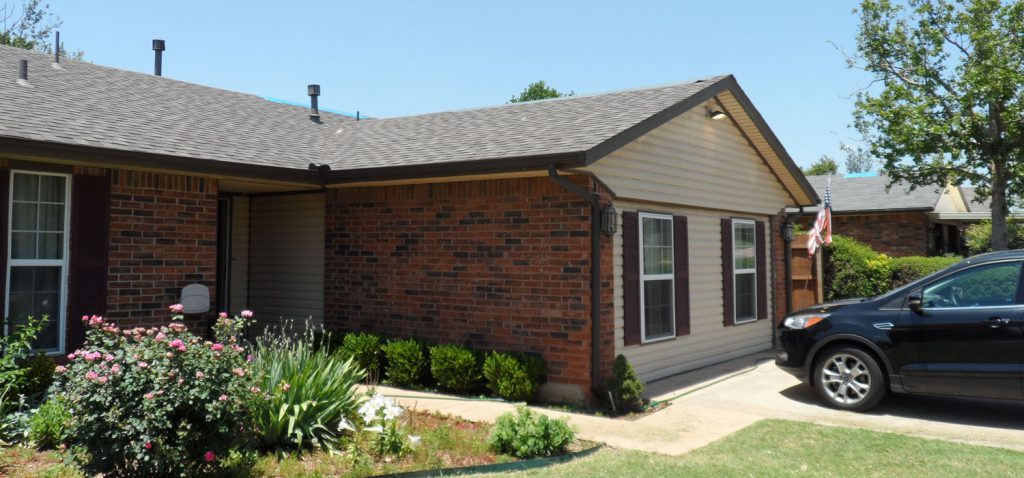
They commonly mark a 10 by 10 foot test square on each slope and count hail hits that caused real damage (fractured shingles or exposed mat), check soft metals like gutters and vents for dents, look for damage patterns that match the storm's direction, and weigh signs of age and wear. They also confirm the storm date and measure the roof. How many hits an insurer treats as enough for replacement varies by company.
Get My Free Estimate →- Why Roof Claims Get Denied (And Why It's Not Always Final)
- What Insurance Adjusters Look for on a Roof
- Step One: Get an Independent Contractor Inspection Before You Do Anything Else
- Step Two: Understand What Your Policy Actually Says
- Step Three: Request a Re-Inspection, With Your Contractor Present
- Step Four: Invoke the Appraisal Clause If You Hit a Wall
- Step Five: File a Complaint With the Wisconsin OCI (If Needed)
- Watch Out for Storm Chasers After a Denial
- The Honest Truth About Timing
- What a Good Storm Damage Contractor Actually Does for You
- Don't Accept a Denial as the Final Word
- FAQs
You filed the claim. You waited. And then the letter came: denied.
Maybe the adjuster said it was "normal wear and tear." Maybe they said the damage was "cosmetic." Maybe they barely spent twenty minutes on your roof before making that call. Whatever the reason, you're now sitting with a damaged roof, an open policy, and no clear path forward.
Take a breath. A denial is not always the end of the road. Here's what's actually going on, what adjusters look for, and what you can do about it.
Why Roof Claims Get Denied (And Why It's Not Always Final)
Adjusters are often handling a heavy load of claims at once, especially after a major storm rolls through Dane, Rock, or Green County. They're not always roofing specialists, and they can miss things.
Common reasons roof claims are denied:
- "Wear and tear" or "lack of maintenance." The insurer argues your roof was already failing before the storm hit.
- "Cosmetic damage only." They say the hail marked your shingles but didn't compromise their function. This one is often worth a second look.
- "Pre-existing damage." They claim the damage existed before your policy or before the storm date.
- "Roof past its useful life." If your roof is older, some policies only pay actual cash value, which after depreciation can be very little.
- Missed damage. The adjuster simply didn't see it. Hail hits on flashing, ridge caps, and pipe boots are easy to overlook if you don't know what you're looking for.
Each of these can be worth challenging if you have the right documentation.
What Insurance Adjusters Look for on a Roof
Knowing what the adjuster is actually checking helps you understand the decision and spot what may have been missed.
- Test squares. Adjusters commonly mark a 10 by 10 foot test square on each roof slope and count the hail hits inside it. How many hits an insurer treats as enough for replacement varies by company, so ask what standard was used on your roof.
- Functional versus cosmetic damage. They are judging whether a hit fractured the shingle or exposed the mat, not just whether it left a mark.
- Storm-consistent patterns. Damage that lines up with the storm's direction, concentrated on the slopes and walls that faced it, reads as storm damage. Curling, cracking and granule loss spread evenly across the roof reads as age.
- Collateral damage. Dents in gutters, downspouts, vents, flashing and AC condenser fins help confirm hail was large enough at your address to cause damage.
- The storm date. They check whether a hail or wind event was recorded in your area on the date you reported.
- Wind signs. Missing, lifted or creased shingles and loose ridge cap point to wind rather than hail; we explain how insurers tell wind damage from hail damage in a separate guide.
- Roof age, measurements and every slope. The number of squares, the pitch, the number of layers and whether all slopes were inspected all shape the estimate.
Our photo guide on how to spot hail damage on your roof shows what these hits look like up close.

Step One: Get an Independent Contractor Inspection Before You Do Anything Else
This is one of the most important things you can do after a denial.
Your insurer's adjuster works for the insurance company. A qualified roofing contractor who handles storm damage claims regularly looks at your roof through a different lens: hail impact patterns versus granule loss from age, wind-lifted tabs, bruised shingles and broken seals, documented in a way you can put in front of your insurer.
Get that inspection in writing. Photos, measurements, and the storm date for your area give you something concrete when you appeal.
If you're in the Madison area or anywhere across Dane, Rock, or Green County, Buckshot Exteriors has been doing exterior work here for over 47 years. Reach out for a free inspection; it costs you nothing and gives you real information to work with.
Step Two: Understand What Your Policy Actually Says
Pull out your homeowner's policy and read the sections on:
- Covered perils. Wind and hail are usually listed on standard homeowners policies, but check yours.
- Exclusions. Wear and tear, neglect, and cosmetic damage clauses.
- Replacement cost value (RCV) vs. actual cash value (ACV). RCV pays to replace your roof with new materials; ACV deducts depreciation, which on an older roof can be significant.
- The appraisal clause. Many policies include one (more on this below).
If the policy language is confusing, a licensed public adjuster or an insurance attorney can help you interpret it. They work on your behalf, not the insurer's. For a broader view of coverage, see our guide to hail damage roof replacement and what insurance covers.
Step Three: Request a Re-Inspection, With Your Contractor Present
One of the biggest mistakes homeowners make is letting the adjuster come out alone.
Ask your insurer in writing for a re-inspection, and ask that your contractor be there. A good contractor will point out damage the adjuster might otherwise walk past: hits on soft metals, granule loss patterns consistent with hail, cracked flashing, and damage to gutters and downspouts that ties back to the same storm. Having both people on the roof also creates a shared record of what was seen and discussed.
We meet insurance adjusters on site to document hail and wind damage, including re-inspections after a denial or an underpaid claim. You can read what local homeowners say on our customer reviews page.
What to Say (and Not Say) to a Roof Insurance Adjuster
Keep it factual and calm. The inspection goes best when you give the adjuster clear information and let the documentation do the work.
Do:
- Give the storm date, when you first noticed the damage, and what you saw.
- Hand over your dated photos, including any taken right after the storm.
- Mention any emergency repairs or tarping and keep the receipts.
- Ask which slopes were inspected, where test squares were placed, and what standard was used.
- Ask for the inspection report and estimate in writing.
Don't:
- Guess at your roof's age or past repairs if you don't know; say you'll check.
- Speculate that "it's probably been leaking a while" or that damage came from an earlier storm.
- Exaggerate or point to damage you aren't sure came from the storm.
- Sign a release or accept a settlement on the spot before you understand the estimate.
Step Four: Invoke the Appraisal Clause If You Hit a Wall
If the re-inspection doesn't move the needle, look for an appraisal clause in your policy. Many homeowners policies include one.
Here's how it generally works: you and your insurer each hire an independent, qualified appraiser. Those two appraisers try to agree on the amount of the loss. If they can't agree, an umpire decides. Check your policy for the exact process.
It's not free (you pay your appraiser), but it can be far less expensive than a lawsuit, and it focuses on the amount of the loss rather than starting the claim over.

Want a straight answer on your roof?
We'll inspect it, document everything, and tell you honestly what you're looking at, even if the answer is patch it for now. No pressure.
Step Five: File a Complaint With the Wisconsin OCI (If Needed)
If you believe your claim was handled improperly, you can file a complaint with the Wisconsin Office of the Commissioner of Insurance (OCI). Sometimes filing a complaint prompts a more careful review of your claim.
The OCI website has a straightforward complaint process. Keep copies of every letter, email, and phone call log. Documentation wins these disputes. Our page on denied roof claims covers more of the options.
Watch Out for Storm Chasers After a Denial
After a big storm hits Green County or the Madison area, out-of-state trucks can show up in neighborhoods within days.
They'll knock on your door, promise to "handle everything with your insurance," and ask you to sign paperwork, sometimes an Assignment of Benefits form that hands them control of your claim. Some will offer to waive your deductible, which can amount to insurance fraud and put your claim at risk.
The red flags:
- No local address or established presence
- High-pressure tactics, same-day signing requests
- Offers that sound too good (free roof, waived deductible)
- No verifiable local reviews or references
Work with someone who was here before the storm and will be here long after. Buckshot Exteriors has been family-owned since 1979, with offices in Madison, WI and Centerville, IA.
The Honest Truth About Timing
Policies set their own deadlines for reporting damage and disputing a claim, so check yours. Practically speaking, the longer you wait, the harder it is to connect your damage to a specific storm event.
If a storm hit your area and you haven't had your roof inspected yet, do it now, even if you think the damage is minor and even if you don't plan to file a claim. Knowing what's up there is always better than guessing.
What a Good Storm Damage Contractor Actually Does for You
A contractor who handles storm damage claims regularly isn't just there to fix your roof. They're your technical expert throughout the process:
- Documenting damage with photos and written reports
- Providing a scope of work that matches insurance industry standards
- Meeting the adjuster on site to make sure the damage is fully documented
- Helping you understand what was approved, what wasn't, and why
- Completing the work correctly so the final invoice matches the approved scope
That's the kind of relationship that protects you, not just through the claim but through the repair. Our residential roofing page covers the repair and replacement side.
Don't Accept a Denial as the Final Word
A denied roof claim feels like a dead end, but it often isn't. With the right contractor inspection, solid documentation, and a clear understanding of your policy, some denials are reversed or end in a settlement that covers the damage.
If your roof took a hit and your claim was denied, or if you haven't filed yet and want to know what you're dealing with, call Buckshot Exteriors at (608) 909-9109 for a free inspection. No pressure, no obligation.
Schedule your free inspection today. We serve homeowners across Dane, Rock, and Green counties.
Get a straight answer on your Madison roof
Wisconsin storm season and insurance non-renewal letters do not wait. Get a free, no-obligation inspection and an honest assessment of exactly what your roof needs, even if the answer is to wait.