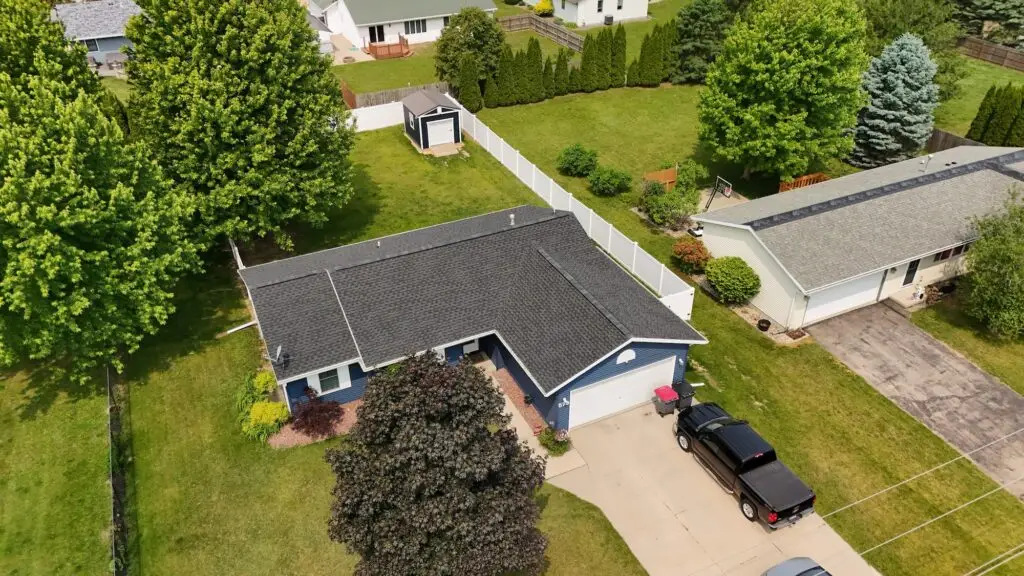
ACV (Actual Cash Value) pays you what your roof is worth today - after depreciation. RCV (Replacement Cost Value) pays what it actually costs to replace the roof with materials of like kind and quality. On a 15-year-old roof, the gap between those two numbers can be several thousand dollars.
Get My Free Estimate →- What ACV and RCV Actually Mean
- How Depreciation Works (And Why It Matters So Much)
- Where to Find This Information in Your Policy
- Why You Want a Contractor on the Roof Before the Adjuster Arrives
- Common Policy Traps to Watch For
- What a Good Contractor Does for You During a Claim
- Storm Chasers: A Real Problem After Wisconsin Hailstorms
- Before You File: A Quick Checklist
- Get a Free Roof Inspection Before You File Your Claim
- FAQs
You got a letter - or maybe a check - from your insurance company after that last hailstorm, and the number feels low. Way lower than the estimate you were expecting. You're not imagining it. And the reason almost always comes down to four letters: ACV vs RCV.
If you don't know which one your policy uses, you could leave thousands of dollars on the table. This is one of the most misunderstood parts of any roof insurance claim, and insurance companies aren't exactly rushing to explain it to you at renewal time.
Let's break it down in plain language.
What ACV and RCV Actually Mean
ACV - Actual Cash Value - is what your roof is worth right now, accounting for age and wear. Think of it like a used car trade-in. Your roof is 14 years old? The insurer calculates what a 14-year-old roof is worth today, not what it costs to put a new one on.
RCV - Replacement Cost Value - is what it actually costs to replace your roof with materials of similar kind and quality at today's prices. Labor, materials, disposal - all of it.
The difference between those two numbers can be $4,000, $8,000, or more on an average Wisconsin home. That's not a rounding error. That's real money coming out of your pocket.
How Depreciation Works (And Why It Matters So Much)
Here's where homeowners get confused.
With an RCV policy, your insurer doesn't just hand you the full replacement cost upfront. They pay you the ACV first - the depreciated value - and hold back the rest. That holdback is called recoverable depreciation. Once your contractor completes the work and you submit documentation, the insurer releases that second check.
So if your roof replacement costs $14,000 and the insurer calculates $5,000 in depreciation, you get $9,000 upfront (minus your deductible). After the job is done, you submit proof and collect the remaining $5,000.
With an ACV policy, that depreciation is gone. Non-recoverable. You get the depreciated amount and that's it. You cover the rest yourself.
This is why reading your declarations page matters before a storm ever hits - not after.
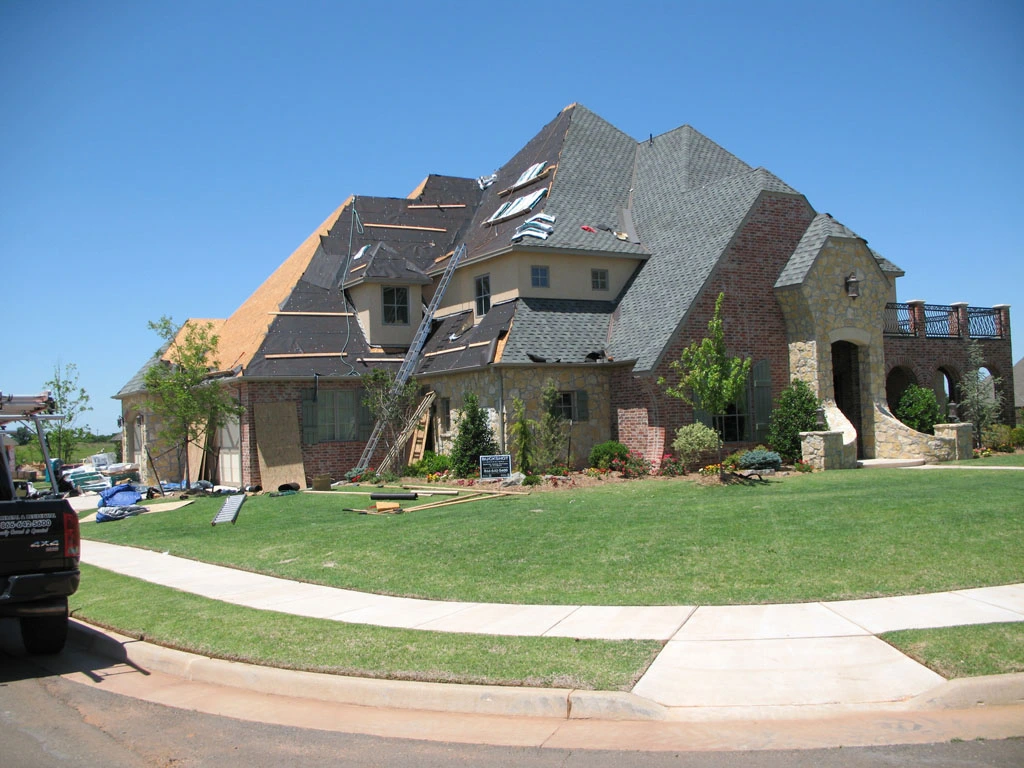
Where to Find This Information in Your Policy
Pull out your homeowner's insurance policy. You're looking for a few things:
- Declarations page - This is the summary page. Look for "Loss Settlement" or "Dwelling Coverage." It may say "Replacement Cost" or "ACV" directly.
- Section I - Property Coverages - This is where the actual settlement language lives. Look for phrases like "we will pay the cost to repair or replace" (RCV) versus "we will pay the actual cash value" (ACV).
- Roof payment schedule - Some insurers - and this is becoming more common in Wisconsin - have added a separate roof schedule that caps what they'll pay based on the roof's age, regardless of whether the rest of your policy is RCV. Read this carefully. It's sometimes buried.
If you're unsure, call your agent and ask them directly: "Is my roof covered on a replacement cost or actual cash value basis?" Get the answer in writing if you can.
Why You Want a Contractor on the Roof Before the Adjuster Arrives
This is the part most homeowners skip - and it costs them.
Insurance adjusters are not always roofing experts. They're working through a checklist, often inspecting multiple properties in a day. Hail damage on asphalt shingles isn't always obvious from the ground, and soft-metal hits on vents, flashing, and gutters can be easy to overlook.
A contractor who knows storm damage can document everything before the adjuster walks the property. That means photos, measurements, and a written assessment of every damaged component - not just the field shingles.
Even better: have your contractor present when the adjuster comes out. At Buckshot Exteriors, we meet adjusters on-site as a standard part of our process. We walk the roof together, point out what we're seeing, and make sure nothing gets missed on the initial inspection report. It's much harder to add damage after the fact once the adjuster has filed.
If you've recently had a storm roll through Dane, Rock, or Green County, reach out to us for a free inspection before you call your insurer. That sequence matters.
Common Policy Traps to Watch For
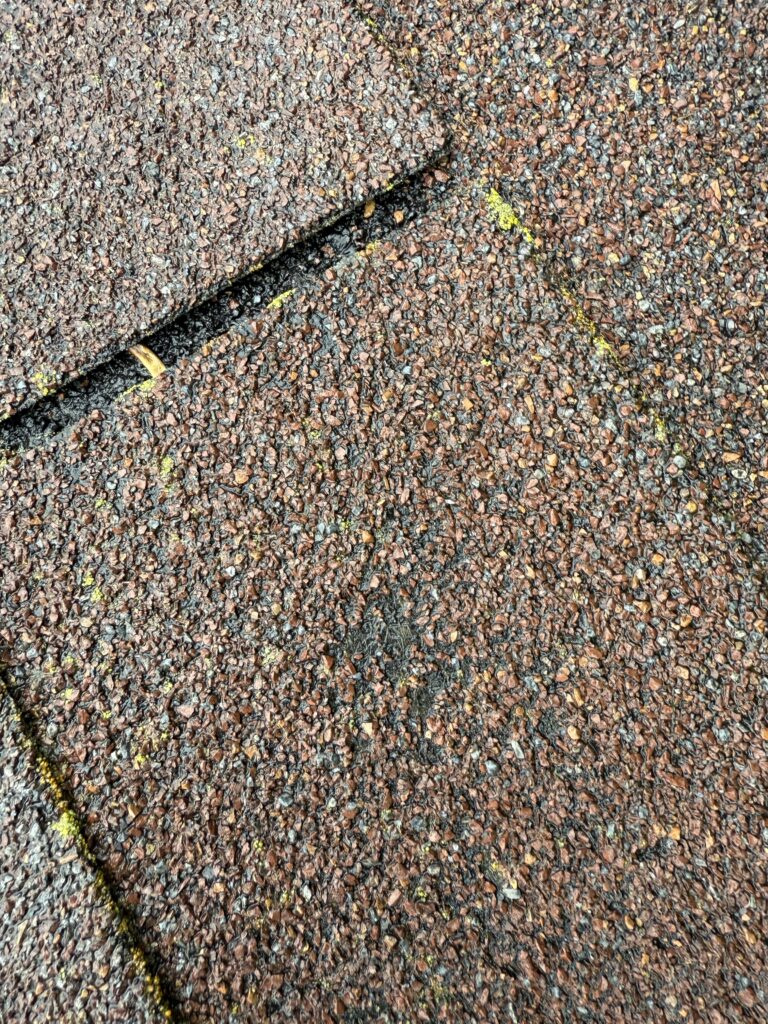
Cosmetic damage exclusions. Some policies now exclude damage that's considered "cosmetic" - meaning it affects appearance but not function. Hail hits on shingles can sometimes be classified this way even when they've compromised the shingle's integrity. Wisconsin doesn't ban these exclusions, so they're legal and increasingly common.
Roof age schedules. As mentioned above, some insurers apply a depreciation schedule specifically to roofs that's separate from your main dwelling coverage. A 20-year-old roof might only receive 20% of replacement cost under these schedules regardless of policy type.
Matching issues. If only part of your roof is damaged, Wisconsin law and most standard policies require the insurer to address the issue of matching - replacement materials should reasonably match the undamaged portions. This is an area where having a contractor advocate for you makes a real difference.
The ACV-only policy you didn't know you had. After major storm seasons, some insurers quietly shift new or renewed policies to ACV for roofs. If your roof is over 10-15 years old and you haven't checked recently, it's worth confirming.
Want a straight answer on your roof?
We'll inspect it, document everything, and tell you honestly what you're looking at, even if the answer is patch it for now. No pressure.
What a Good Contractor Does for You During a Claim
We've been doing this work in south-central Wisconsin since 1979. We've seen the full range - straightforward claims that go smoothly, and claims where homeowners got a fraction of what they were owed because no one was looking out for them.
A contractor who knows the insurance process will:
- Inspect your roof and document damage with photos before the adjuster visit
- Attend the adjuster inspection and point out damage the adjuster might miss
- Review the adjuster's scope of work and flag anything that was left out
- Help you understand what your policy owes you - not just what the first check says
That's not about gaming the system. It's about making sure you get what you paid premiums for.
You can see what our customers say about this process on our customer reviews page - the claims experience is something people mention regularly.
Storm Chasers: A Real Problem After Wisconsin Hailstorms
Every time a major storm hits the Madison area, the out-of-state crews show up within days. Door-to-door, high pressure, "we'll handle everything with your insurance" - and then they're gone when problems come up.
Red flags to watch for:
- No local address or verifiable history in Wisconsin
- Pressure to sign an Assignment of Benefits (AOB) immediately
- Promises to waive your deductible (this is insurance fraud in Wisconsin)
- Vague answers about licensing, insurance, or manufacturer certifications
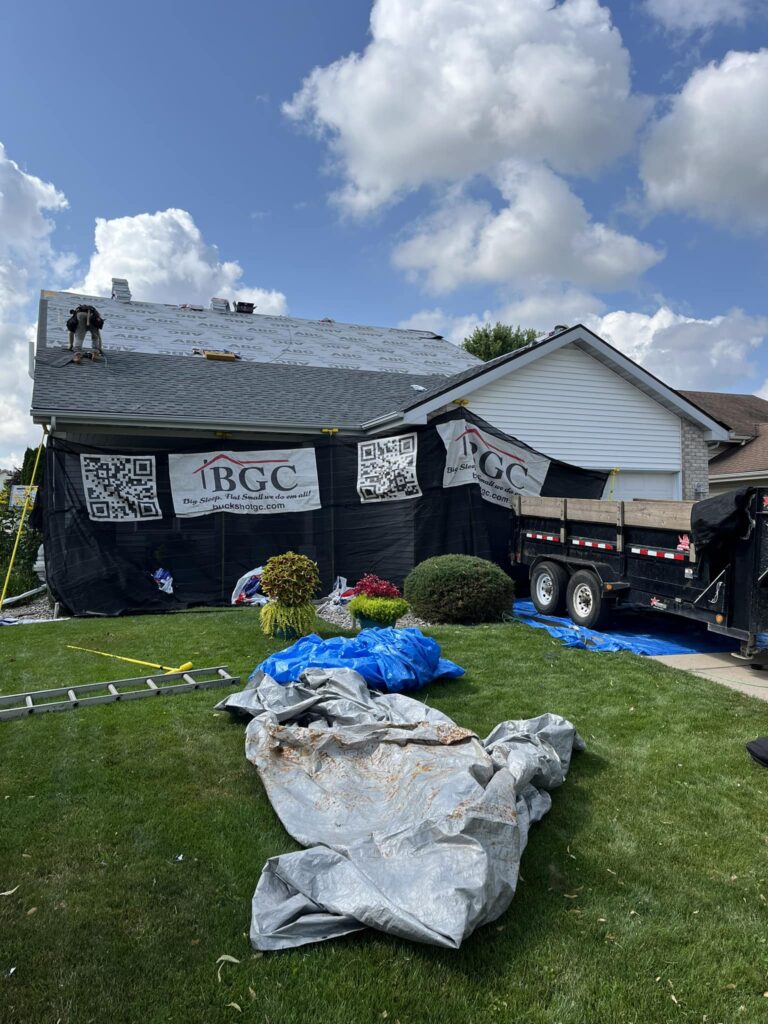
Buckshot Exteriors is locally owned and has been roofing homes in this region for over 47 years. We're not going anywhere. If something needs to be addressed after the job, we're a phone call away - not a disconnected number.
If you're considering a roof replacement in Madison, or anywhere in Dane, Rock, or Green County, work with someone who'll still be here next year.
Before You File: A Quick Checklist
[ ] Know whether your policy is ACV or RCV
- [ ] Check for a separate roof age/payment schedule
- [ ] Get a contractor inspection done before calling your insurer
- [ ] Have your contractor present at the adjuster walkthrough
- [ ] Don't sign anything with a storm chaser at the door
- [ ] Keep all documentation - photos, estimates, adjuster reports
Get a Free Roof Inspection Before You File Your Claim
If you've had recent storm damage - or you're just not sure what shape your roof is in heading into another Wisconsin storm season - we'll come out and take a look at no charge.
We'll document what we find, walk you through what your policy should cover, and if you need us at the adjuster inspection, we'll be there. No pressure, no obligation, and no out-of-state crew that disappears after the check clears.
Contact Buckshot Exteriors for a free inspection - or take a look at some of our residential roofing work to get a sense of what we do. We've been earning trust in this community since 1979, and we'd like to earn yours too.
Get a straight answer on your Madison roof
Wisconsin storm season and insurance non-renewal letters do not wait. Get a free, no-obligation inspection and an honest assessment of exactly what your roof needs, even if the answer is to wait.