
You can do both nearly at the same time, but getting a contractor inspection first is smart. It gives you an independent damage assessment before the adjuster arrives, helps you decide whether filing is worth it, and means you have a professional on your side during the adjuster visit. Most policies require prompt notice, so don't delay reporting either.
Get My Free Estimate →- Step 1: Get a Contractor Inspection and Notify Your Insurer Promptly
- Will Filing a Claim Raise My Premiums or Get Me Dropped?
- Step 2: Document the Damage Yourself Before Anything Is Touched
- Step 3: Review Your Policy Before the Adjuster Shows Up
- Step 4: Have Your Contractor Present When the Adjuster Comes Out
- Step 5: Review the Adjuster's Report and Know Your Options If the Numbers Don't Match
- What If the Adjuster Blames Age or Wear and Tear Instead of the Storm?
- A Note on Public Adjusters
- Step 6: Choose Your Contractor Carefully, and Know What to Do If You Already Signed with the Wrong One
- Step 7: Get the Work Done and Collect Your Recoverable Depreciation
- What to Expect for Timeline and Out-of-Pocket Costs
- Get a Free Inspection Before You Do Anything Else
- FAQs
A bad storm rolled through. Maybe it was hail, maybe straight-line winds, maybe both. Now you're staring at your ceiling wondering what your insurance actually covers and whether you're about to get taken advantage of, by a fly-by-night contractor or an adjuster trying to minimize your payout.
Here's the short answer: homeowners who get the best outcomes on a roof insurance claim in Wisconsin are the ones who get a trusted local contractor involved early, ideally before the insurance company sends anyone out. Everything else flows from that.
Here's exactly how to do it right, step by step.
Step 1: Get a Contractor Inspection and Notify Your Insurer Promptly
Most policies require you to report damage promptly. Don't sit on it. But "reporting it" and "having the adjuster come out" are two different things, and there's usually a gap of several days to a couple of weeks between them. Use that window.
Call your insurer to open the claim and get a claim number. Then, before the adjuster's visit, get a local contractor out to inspect the roof independently. These two things can happen nearly simultaneously, and doing both protects you.
Why does the contractor inspection matter so much? Your adjuster works for your insurance company. That's not a conspiracy, it's just a fact. Their job is to assess damage accurately, but their time on your roof is limited, and they may not catch everything. An independent contractor inspection gives you a professional damage assessment you can bring to the table when the adjuster arrives.
That inspection also helps you answer a question most homeowners don't think about until it's too late: is this worth filing at all? A claim that comes in close to your deductible, or that involves borderline damage, might not be worth the potential rate increase. More on that below.
Step 2: Document the Damage Yourself Before Anything Is Touched
Right after the storm, before any tarps go on or debris gets moved, take photos. Lots of them.
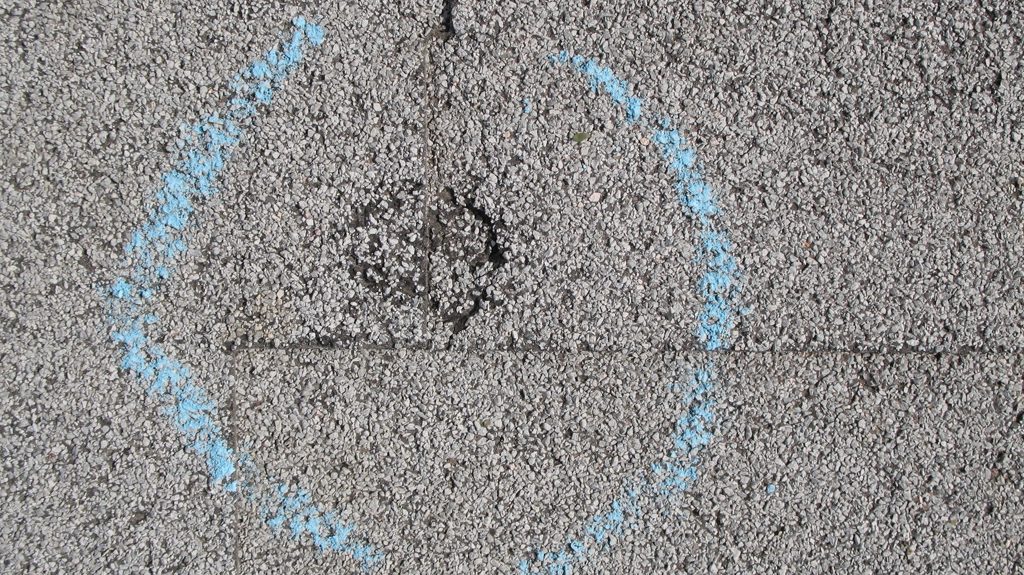
Get your gutters, downspouts, window screens, AC unit, and any painted wood trim. These soft-metal and soft-surface hits are some of the clearest evidence of hail size and impact pattern, and adjusters use them to calibrate what happened to your shingles.
Write down the date of the storm and the approximate time. The National Weather Service publishes storm reports online, and your contractor can pull verified hail and wind event data for your area to support your claim. This kind of third-party documentation carries real weight with insurers.
If there's active leaking or a safety hazard, make temporary repairs to prevent further damage. Keep all receipts. Your policy likely covers reasonable emergency mitigation costs.
Step 3: Review Your Policy Before the Adjuster Shows Up
Pull out your homeowners insurance policy and look for a few specific things.
ACV vs. RCV. Actual Cash Value (ACV) means the insurer pays the depreciated value of your roof, not what it costs to replace it today. Replacement Cost Value (RCV) means they pay full replacement cost, usually in two stages: an initial ACV payment, then the recoverable depreciation released after the work is completed and documented. Know which one you have before anyone starts talking numbers.
Your deductible. Some Wisconsin policies now carry a percentage-based hail or wind deductible, separate from your standard deductible. On a $300,000 home with a 1% wind/hail deductible, that's $3,000 out of pocket before insurance pays anything. You are legally responsible for that amount. A contractor who offers to waive or cover your deductible is committing insurance fraud under Wisconsin law, and you could face liability too. Budget for it as a real cost.
Ordinance-or-law coverage. If your roof is older and local codes have changed since it was installed, a replacement may require upgraded materials or additional work that your base policy won't cover. Ordinance-or-law coverage picks up those code-upgrade costs. If you don't have it, those expenses come out of your pocket on top of the deductible.
Claim reporting requirements. Your policy's claims conditions section will spell out what "prompt" or "timely" means. Read it. Wisconsin doesn't set a universal statutory deadline for property insurance claims, but your policy does.
Step 4: Have Your Contractor Present When the Adjuster Comes Out
This is the single most important thing you can do after filing.
When you schedule the adjuster visit, tell your insurer your contractor will be present. You can typically have a representative on the roof with the adjuster, and it matters. A good local contractor knows what adjusters look for and how they document damage. They can point out hail hits the adjuster might overlook, challenge misclassifications of storm damage as wear-and-tear, and make sure the scope of work in the adjuster's report actually reflects what needs to be done.
Common items that get missed or underpaid without a contractor present include gutters and gutter guards with hail hits, roof vents and pipe boots, flashing and chimney caps, skylights, and proper line items for tear-off, disposal, and code-required ice-and-water shield.
Our team at Buckshot Exteriors meets insurance adjusters on-site as a standard part of our process. After the May 2022 hail event that swept through Dane County, we were on dozens of roofs alongside adjusters, catching missed line items and pushing back on wear-and-tear misclassifications that would have cost homeowners thousands. It makes a real difference in what gets documented.
If you're dealing with storm damage right now, reach out to us here and we'll get out to you quickly.
Step 5: Review the Adjuster's Report and Know Your Options If the Numbers Don't Match
After the adjuster's visit, your insurer will send a Scope of Loss document and an initial payment, usually ACV minus your deductible.
Read it line by line. Check that every item your contractor documented is included. If something is missing or the scope doesn't match, you can dispute it. Your contractor can submit a supplemental claim with additional documentation and photos. This is a normal part of the process on many storm claims, and insurers expect it.
If the gap between the adjuster's estimate and your contractor's estimate is substantial and the insurer won't move, check your policy for an appraisal clause. Most homeowners policies include one. It allows both sides to hire independent appraisers who then agree on an umpire to resolve the dispute. It's not litigation, but it's not free either: each side pays their own appraiser, and both sides split the umpire's fee. Still, it gives you a formal path to a fair number when the informal back-and-forth stalls.
If your claim is denied outright, get the denial in writing and ask for the specific reason. From there, your options include having your contractor submit additional documentation, invoking the appraisal clause if the dispute is about the dollar amount, hiring a licensed public adjuster (more on that below), or filing a complaint with the Wisconsin Office of the Commissioner of Insurance (OCI) at oci.wi.gov if you believe the denial was improper.
What If the Adjuster Blames Age or Wear and Tear Instead of the Storm?
This is one of the most frustrating situations a homeowner can face, and it happens more than people expect.
Adjusters sometimes attribute damage to an aging roof's normal deterioration rather than to the storm event. The argument is that the shingles were already compromised, so the storm didn't cause the damage, it just revealed it.
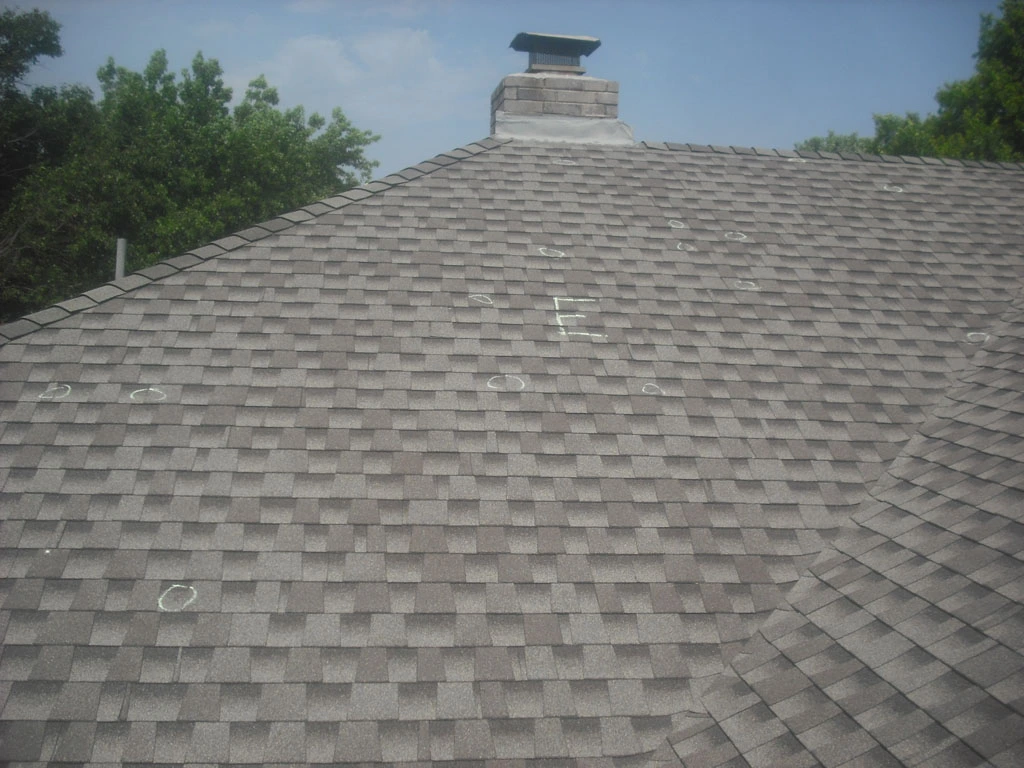
Here's what actually matters: hail leaves a specific physical signature. Fresh hail hits show a soft, bruised indentation with granule loss at the impact point and a distinct pattern across the roof plane. Wear-and-tear deterioration looks different. It's diffuse, gradual, and doesn't follow a storm's impact pattern. A contractor who does this work regularly can tell the difference and document it with photographs and measurements.
If your adjuster is calling storm damage wear-and-tear, push back. Have your contractor provide a written assessment with photos. Pull the National Weather Service storm data for your area on the date of loss. If the insurer still won't move, the appraisal clause and a licensed public adjuster are both legitimate tools.
On the cash-pay question: if your claim is denied entirely, or if you decide not to file, a full residential roof replacement in south-central Wisconsin typically runs somewhere in the range of $9,000-$18,000 depending on roof size, pitch, shingle grade, and whether the decking needs work. That's a wide range, and your contractor should give you a specific written estimate for your home. It's not a small number, which is why fighting a wrongful denial is usually worth the effort.
Want a straight answer on your roof?
We'll inspect it, document everything, and tell you honestly what you're looking at, even if the answer is patch it for now. No pressure.
A Note on Public Adjusters
A licensed public adjuster works for you, not the insurance company. They can be genuinely helpful on a complex or large denied claim, particularly if you're not confident navigating the process yourself.
The cost to know: public adjusters typically charge a percentage of the final claim settlement, often somewhere in the range of 10-20%. On a $20,000 claim, that's $2,000-$4,000 out of your settlement. That may be worth it if they recover significantly more than you would have otherwise, but it's a real cost to factor in before you hire one. Ask for their fee structure in writing upfront.
Step 6: Choose Your Contractor Carefully, and Know What to Do If You Already Signed with the Wrong One
After any significant storm, out-of-state contractors flood into south-central Wisconsin. They knock on doors, promise to handle everything, and ask you to sign papers before you fully understand what you're agreeing to.
Watch for these red flags:
- No local address, no verifiable local history
- Pressure to sign an Assignment of Benefits (AOB), which transfers your claim rights to the contractor
- Offers to waive or cover your deductible
- No presence in your community before the storm hit
If you already signed with a storm chaser, don't assume it's too late. Wisconsin's Home Improvement Practices rules give homeowners a three-business-day right to cancel most home improvement contracts signed at your residence. If you're still within that window, send a written cancellation notice immediately. If the contractor already filed an AOB with your insurer, notify your insurance company in writing that you are revoking it. If the contractor pushes back or threatens legal action, consult an attorney. The sooner you act, the more options you have.
Stick with a contractor you can verify through Google reviews, the Better Business Bureau, or neighbors who have actually used them. See what our customers say about working with us and look us up on Google or the BBB.
For residential roofing in Wisconsin, the contractor you choose affects not just the quality of the work but the warranty you end up with. A contractor with manufacturer credentials can offer longer, more comprehensive warranties that a here-today-gone-tomorrow operation simply cannot back up.
Step 7: Get the Work Done and Collect Your Recoverable Depreciation
Once the job is complete, your contractor provides documentation of completion to your insurer. If you have an RCV policy, this triggers the release of the held-back depreciation. On a larger claim, this second check can be significant, so don't skip the paperwork.
Keep everything: the final invoice, the permit (most Wisconsin municipalities require one for a full replacement), and all warranty documents. You'll want them if you sell the home or need to reference the work later.
What to Expect for Timeline and Out-of-Pocket Costs
From the date of loss to a completed roof, the full process in Wisconsin typically runs six to twelve weeks, depending on adjuster scheduling, supplement negotiations, material lead times, and weather. Busy storm seasons can stretch that.
Plan for your deductible as a guaranteed expense. If you don't have ordinance-or-law coverage and your local code requires upgrades, such as thicker decking, additional ice-and-water shield, or drip edge requirements, those costs may not be covered. Ask your contractor to flag any code-driven items during the inspection so you're not surprised later.
Get a Free Inspection Before You Do Anything Else
Buckshot Exteriors has been handling storm claims and roof replacements across south-central Wisconsin for over four decades. We know the local insurance landscape, we know what adjusters look for, and we know how to make sure you get a fair outcome. We carry full licensing and insurance, and our work comes backed by manufacturer warranties.
We'll come out, inspect your roof at no charge, give you an honest assessment of what we find, and be there with you when the adjuster shows up. No pressure, no door-to-door tactics, no gimmicks.
Schedule your free inspection today. If you've got storm damage, don't wait. The sooner you document it, the stronger your claim.
Get a straight answer on your Madison roof
Wisconsin storm season and insurance non-renewal letters do not wait. Get a free, no-obligation inspection and an honest assessment of exactly what your roof needs, even if the answer is to wait.