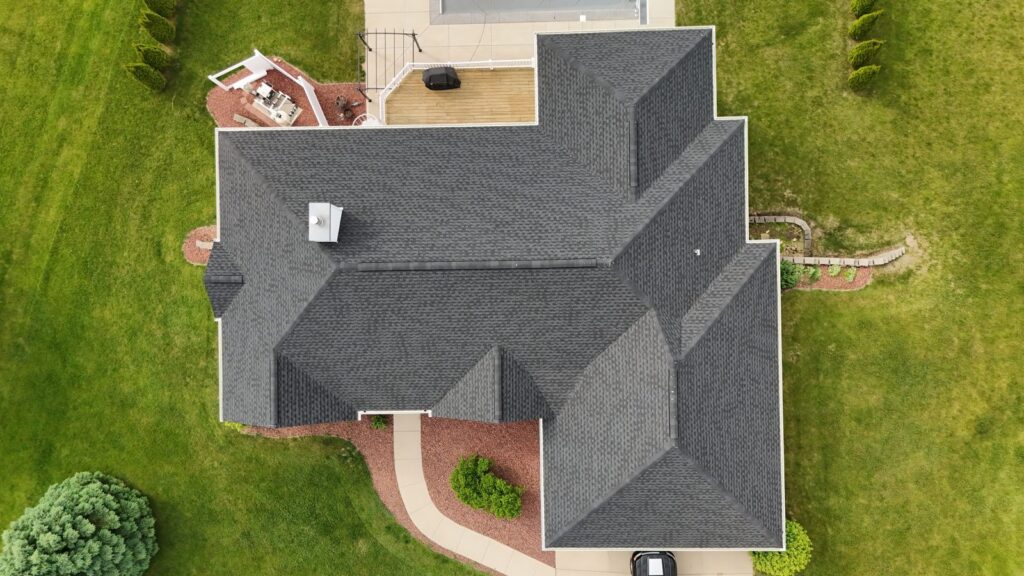
Late summer through early fall-August through October-is generally the sweet spot in Wisconsin. Temperatures are ideal for shingle sealing, contractors have full crews, and you're getting ahead of winter before the real freeze sets in. Spring (April-June) is a solid second choice once the ground thaws and weather stabilizes.
Get My Free Estimate →- Why Timing Matters More in Wisconsin Than Most States
- The Best Seasons for Roof Replacement in Wisconsin
- What Does Roof Replacement Actually Cost in Wisconsin in 2026?
- Why You Can't Trust a Quote You Get Online or Over the Phone
- If a Storm Already Made the Decision for You
- What to Look for in a Wisconsin Roofing Contractor
- The Bottom Line
- FAQs
Your roof is leaking, or maybe it's just old and you know the clock is ticking. Either way, you're probably wondering: do I do this now, or wait for a better time of year?
It's a fair question. In Wisconsin, the answer actually matters-because our weather is genuinely brutal on both roofs and roofing crews. Here's the honest breakdown, plus what you should expect to pay in 2026 and what actually drives that number up or down.
Why Timing Matters More in Wisconsin Than Most States
Wisconsin isn't Phoenix. We get freeze-thaw cycles that crack shingles, ice dams that pry up flashing, and spring storms that drop hail the size of marbles on roofs that were already on their last leg. The season you choose for replacement affects installation quality, scheduling, and sometimes your overall experience.
It's not about finding some magic discount window. It's about making sure your new roof gets installed correctly and lasts as long as it should.
Roof replacement cost by home size (Madison, 2026)
| Home | Roof size | Typical total |
|---|---|---|
| Small ranch / bungalow | 14-18 squares | $9,000-$13,000 |
| Average two-story | 18-26 squares | $12,000-$18,000 |
| Large or complex (steep) | 26+ squares | $17,000-$25,000+ |
Cost by roofing material (average Madison home, installed)
| Material | Lifespan | Typical total |
|---|---|---|
| Architectural asphalt (standard) | 25-30 yrs | $12,000-$18,000 |
| Impact-resistant (Class 4) | 30+ yrs | $15,000-$22,000 |
| Standing-seam metal | 40-50 yrs | $25,000-$45,000 |
Common add-on costs
| Item | Typical cost |
|---|---|
| Extra tear-off layer | $500-$1,500 |
| Decking replacement | $50-$80 per sheet |
| New flashing & pipe boots | $300-$700 |
| Seamless gutters | $1,000-$2,500 |
Typical Madison-area 2026 ranges. Your exact price depends on an on-site inspection. A new asphalt shingle roof recoups about 61% of its cost at resale on average (2024 Remodeling Cost vs. Value Report).
Quick roof replacement cost estimator
Get a ballpark in 20 seconds. For an exact figure, book a free on-site inspection.
The Best Seasons for Roof Replacement in Wisconsin
Late Summer and Early Fall: The Sweet Spot
August through mid-October is genuinely the best window for most Wisconsin homeowners. Here's why:
- Temperatures are ideal. Asphalt shingles need warmth to seal properly. The self-sealing strips on the underside of each shingle activate in heat-typically above 50-60°F. Late summer gives you that consistently.
- Weather is more predictable. You're past the peak of severe storm season but well ahead of early snowfall.
- Crews are fully staffed. Roofing companies have their full teams running. Projects move fast.
The one downside: this is also peak season. If you're waiting until September to call, you might be waiting a few weeks for a slot. Call earlier than you think you need to.
Spring: A Solid Second Choice
April through June works well once the ground thaws and temperatures stabilize above freezing overnight. Spring replacements give you a fresh roof heading into storm season-which matters in south-central Wisconsin, where May and June can bring serious hail events.
Watch out for wet springs. A good contractor won't put shingles on wet decking, and they shouldn't. If you're scheduling in spring, build in some flexibility for weather delays.
Summer: Fine, Just Hot
July and August work great technically. The heat actually helps shingles seal fast. The practical issue is that summer is when everyone calls-storm chasers roll through after every hail event, and legitimate contractors are booked solid. If you're doing a planned replacement (not emergency storm work), late summer is better than peak summer for scheduling.
Winter: Possible, But Not Preferred
Here's the honest truth about winter roof replacement in Wisconsin: it can be done, and sometimes it has to be done. If your roof is failing and you've got water coming in, you don't wait until May. You fix it now.
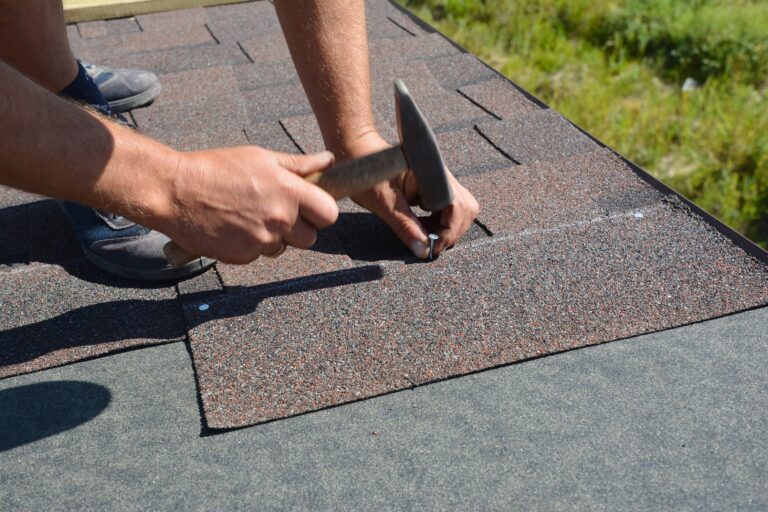
But cold-weather installations require extra care. Below about 40°F, asphalt shingles get brittle and can crack during installation. Self-sealing strips won't activate on their own-they need to be hand-sealed, which adds labor time. A crew that cuts corners in January is leaving you with a roof that might look fine but won't perform like it should.
If you're doing an emergency winter repair or replacement, make sure your contractor knows cold-weather installation protocols. We've done plenty of them over 47 years in Wisconsin winters. It's doable. It just takes the right approach.
What Does Roof Replacement Actually Cost in Wisconsin in 2026?
Let's talk numbers-honestly, without the fake "average cost" figures that are useless without context.
For a typical south-central Wisconsin home, a full asphalt shingle replacement generally runs somewhere in the $8,000 to $20,000+ range. That's a wide window, and here's exactly why.
The Factors That Move the Price
1. Roof Size This one's obvious, but it's measured in "squares" (one square = 100 square feet of roof surface). A small ranch-style home might be 18-22 squares. A two-story colonial with a complex roofline might be 35-45 squares. More squares, more material, more labor.
2. Roof Pitch (Steepness) A low-slope roof is safer and faster to work on. A steep roof requires harnesses, slower movement, and more labor hours. Contractors price steep roofs higher-and they should. Anyone who doesn't account for pitch in their quote is cutting corners somewhere.
3. Material Choice Standard 3-tab shingles are the cheapest option, but most contractors-including us-rarely recommend them anymore. Architectural (dimensional) shingles offer better wind resistance and longevity for a modest cost difference. Premium designer shingles, metal roofing, or cedar shake alternatives cost significantly more but can last decades longer. What's right for your home depends on your budget and how long you plan to stay.
4. Number of Tear-Off Layers Wisconsin building codes generally allow up to two layers of shingles before a full tear-off is required. If your home already has two layers, that's a mandatory tear-off-which adds dumpster, labor, and disposal costs. If there's only one layer, some homeowners opt to go over it, though we typically recommend tear-off for a clean inspection of the decking underneath.
5. Decking Condition This is the one that surprises people. Once we tear off the old shingles, we can see the actual wood decking. If there's rot, water damage, or soft spots-and in Wisconsin, there often is around valleys, chimneys, and skylights-that decking needs to be replaced before new shingles go on. This adds material and labor cost that no one can predict until the old roof comes off.
6. Flashing, Ventilation, and Accessories Chimney flashing, pipe boots, ridge vents, drip edge-these aren't glamorous, but they're where roofs fail. A quality replacement includes new or properly re-flashed penetrations. A cheap bid often skips or reuses old flashing. That's a problem that shows up as a leak two years later.
Why You Can't Trust a Quote You Get Online or Over the Phone
We know everyone wants a ballpark before they call. That's fair. But a roof quote without an actual inspection of your specific roof is just a guess. The decking condition, the exact pitch, the number of penetrations, the current layer count-none of that is visible from the street or from a satellite image.
Any contractor who gives you a firm price without getting on your roof is either padding the number to cover unknowns or lowballing to win the job and add costs later. Neither is good for you.
If you're in the Madison area or anywhere in south-central Wisconsin and want to know what your specific roof will actually cost, our residential roofing team offers free, no-pressure inspections. We get on the roof, document what we find, and give you a real number.
- A price dramatically lower than every other bid (corners are getting cut somewhere)
- Pressure to sign on the spot, or a "today only" discount
- A request to sign over your insurance claim (Assignment of Benefits)
- An offer to "waive your deductible" (that is insurance fraud, and it puts you at risk)
- No written, itemized estimate, or no proof of insurance
- A large upfront payment (more than 30%) before any work begins
Want a straight answer on your roof?
We'll inspect it, document everything, and tell you honestly what you're looking at, even if the answer is patch it for now. No pressure.
If a Storm Already Made the Decision for You
Sometimes timing isn't your choice. A hail storm in June or a wind event in October doesn't care about your replacement schedule.
If you've had recent storm damage, the process works differently. Your homeowner's insurance may cover a significant portion-or all-of the replacement cost, minus your deductible. But insurance claims for roofing are tricky. Adjusters are trained to document what they find, and they don't always catch everything.
We've been handling storm damage claims in south-central Wisconsin for decades. We meet your adjuster on-site, document the damage alongside them, and make sure nothing gets missed. It's one of the most valuable things we do for homeowners who've just been through a storm.
If you're not sure whether your roof needs repair or full replacement, now is a good time to find out. A free inspection costs you nothing and gives you real answers before a small problem becomes a big one. Reach out to our team and we'll get someone out to take a look.
What to Look for in a Wisconsin Roofing Contractor
This matters as much as timing and cost.
After any significant storm, out-of-state contractors flood Wisconsin markets. They're here for the insurance money, and they'll be gone before you notice a problem. Look for:
- Local, established presence. Not just a Wisconsin phone number-an actual local office and verifiable history.
- Proper licensing and insurance. Wisconsin requires roofing contractors to be licensed. Ask for proof.
- Written warranty on both materials and labor. Material warranties from manufacturers mean little if the installation was poor. You want a separate workmanship warranty from the contractor.
- References and real reviews. Check what our customers say and look at platforms like Google, Angi, and Birdeye. Patterns matter more than any single review.
Buckshot Exteriors has been locally owned and operated since 1979-that's 47 years of Wisconsin roofs. We're not going anywhere.
The Bottom Line
The best time to replace your roof in Wisconsin is late summer to early fall if you're planning ahead. If a storm forced your hand or your roof is actively failing, the best time is as soon as possible.
Cost depends on your specific roof-size, pitch, materials, layers, and what we find under the old shingles. Anyone who tells you otherwise without inspecting your home first is guessing.
What we can tell you is this: a free inspection from an experienced local contractor gives you real information, no obligation, and no pressure. That's worth a lot more than an online estimate that may have nothing to do with your actual roof.
Call Buckshot Exteriors for a free roof inspection. We'll get on your roof, tell you exactly what we see, and give you an honest quote for whatever your home needs-whether that's a repair, a full replacement, or just peace of mind that you've got a few more years left. We've been doing this in Wisconsin since 1979, and we'll give it to you straight.
Get a straight answer on your Madison roof
Wisconsin storm season and insurance non-renewal letters do not wait. Get a free, no-obligation inspection and an honest assessment of exactly what your roof needs, even if the answer is to wait.