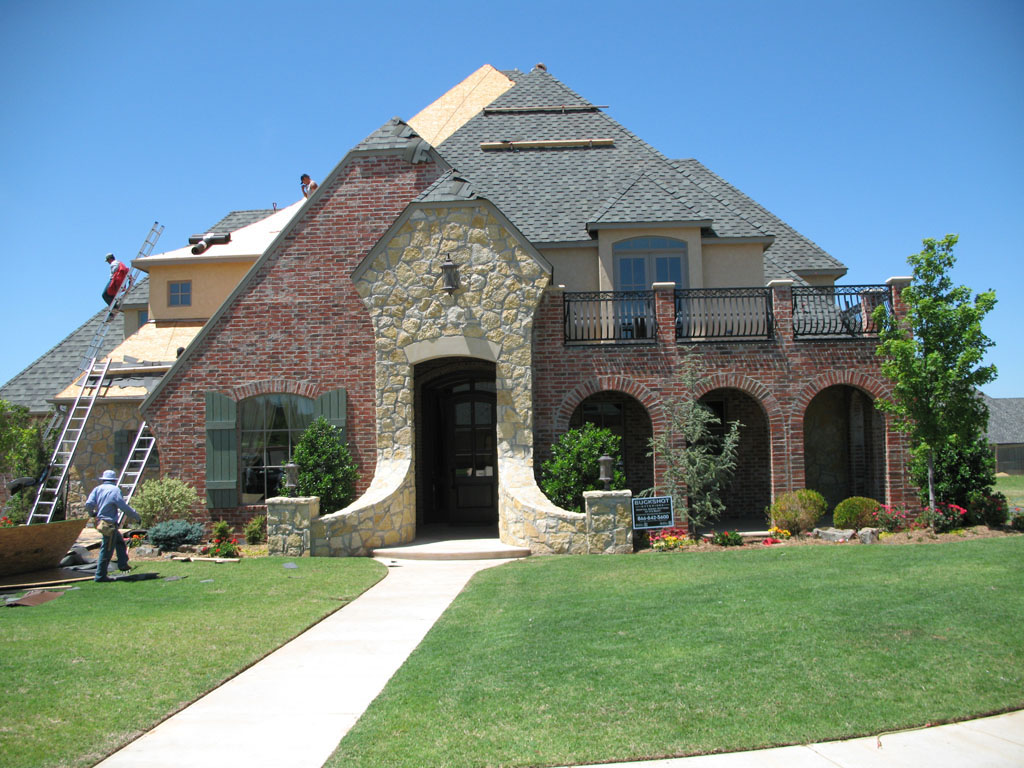
It's the difference between your roof's actual cash value (ACV) and its full replacement cost. Your insurer holds that money back until the work is actually completed. Once you submit proof of completion, they release the withheld amount - that's the recoverable depreciation check.
Get My Free Estimate →- What Recoverable Depreciation Actually Is
- Why the Insurer Holds It Back
- The Step Most Homeowners Skip: Get a Contractor Inspection BEFORE the Adjuster Visits
- How to Actually Collect Your Recoverable Depreciation
- A Word About Storm Chasers - Please Read This
- What If the Insurer Underpays or Denies the Claim?
- What You Should Do Right Now
- FAQs
A storm rolls through Dane County - maybe it was that late-May hailstorm, maybe a straight-line wind event - and a few days later you've got an insurance claim number and a settlement letter in your inbox. The number looks okay. Then you notice a line that says "recoverable depreciation: $3,200" and a note that it's being withheld.
What does that mean? Did you just lose $3,200?
No. But a lot of homeowners in Madison, Janesville, and Monroe never collect that money because nobody explained the process to them. Let's fix that right now.
What Recoverable Depreciation Actually Is
Your insurance company doesn't just hand you the full cost of a brand-new roof the moment you file a claim. They split the payout into two pieces.
Piece one: Actual Cash Value (ACV). This is what your roof is worth today, accounting for its age and condition. A 15-year-old roof isn't worth what a new one costs, so they depreciate it.
Piece two: Recoverable Depreciation. This is the gap between that depreciated value and the actual cost to replace the roof with new materials. They hold this amount back until you prove the work is done.
Once you complete the repairs and submit documentation, the insurer releases the withheld amount. That second check is the recoverable depreciation - and it can be anywhere from a few hundred to several thousand dollars depending on your roof's age and size.
If you never finish the repairs, or you miss the deadline, you forfeit it. That money stays with the insurance company.
Why the Insurer Holds It Back
It's not a trick - it's actually logical, even if it's frustrating. The insurer's reasoning is: we'll pay you the full replacement cost, but only once you've actually replaced it. They don't want to hand you $18,000 and have you pocket $6,000 while leaving a damaged roof on your house.
The catch is that the timeline matters. Most Wisconsin homeowners policies give you 6 to 12 months from the date of the initial settlement to complete repairs and file for the supplemental payment. Some policies are stricter. A few are more generous. Read your policy's "Loss Settlement" section, or call your agent and ask them to tell you the exact deadline in writing.
Don't assume you have time to spare. Contractors get busy fast after a storm season. If you wait until October to find a roofer after a June hailstorm, you may be scrambling.
The Step Most Homeowners Skip: Get a Contractor Inspection BEFORE the Adjuster Visits
Here's where a lot of claims go sideways in south-central Wisconsin.
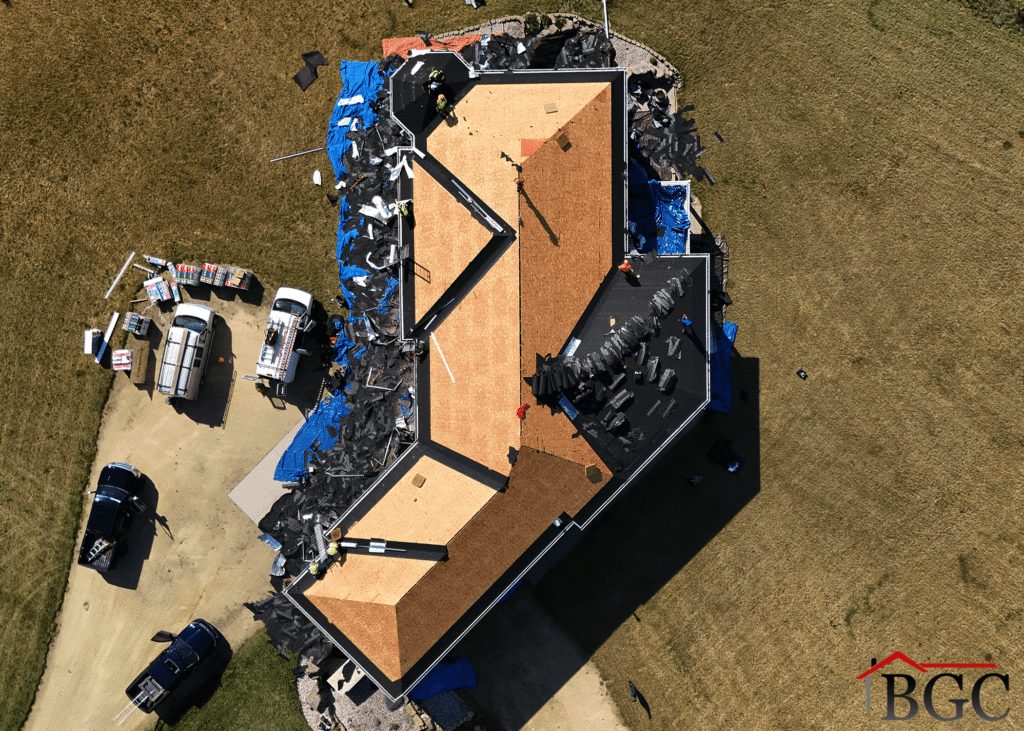
A homeowner files a claim. The adjuster comes out, walks the roof for 20 minutes, writes up a scope, and leaves. The homeowner accepts the number because they don't know what they don't know. The adjuster might have missed:
- Hail bruising on the underside of shingles that's invisible from the ground
- Damaged ridge cap or hip shingles
- Dented pipe boots and flashing that will leak within a year
- Code upgrade requirements - Wisconsin building codes may require ice-and-water shield upgrades, drip edge, or ventilation improvements when a roof is replaced, and those costs belong on the claim
- Gutter and soffit damage from the same storm
An experienced local contractor who knows what adjusters look for can walk your roof before the adjuster arrives and document every item that belongs on the claim. Then - and this is critical - have your contractor on-site when the adjuster inspects. That conversation changes outcomes. A contractor who can point to a field of hail impacts and explain why they constitute functional damage is far more effective than a homeowner trying to do the same thing.
We do this routinely for homeowners across Dane, Rock, and Green counties. It's not adversarial - it's just making sure the claim reflects the actual damage. You can learn more about how we handle hail and storm damage claims if you want to see what that process looks like.
How to Actually Collect Your Recoverable Depreciation
Once your roof is replaced, here's the typical process:
- Get your initial ACV check and the depreciation holdback letter from your insurer.
- Have the work completed by a licensed contractor. Make sure the invoice is detailed - line items for materials, labor, code upgrades, and anything supplemental that was added after the original scope.
- Submit the final invoice (and any completion photos or certificate your insurer requests) to your claims adjuster.
- Wait for the second check. It usually takes a week or two once they have what they need.
That's it. But the details matter. If your contractor's invoice is vague or doesn't match the insurer's line items, it can slow things down or trigger a dispute. A contractor who works with insurance claims regularly knows how to write an invoice that matches what adjusters expect to see.
Want a straight answer on your roof?
We'll inspect it, document everything, and tell you honestly what you're looking at, even if the answer is patch it for now. No pressure.
A Word About Storm Chasers - Please Read This
After every significant hailstorm in the Madison area, out-of-state roofing crews flood in. They knock on doors, offer to "work with your insurance," and sometimes pressure homeowners to sign contracts on the spot.
Some of them are fine. Many are not.
The red flags to watch for:
- No local address or phone number - just a cell phone and a magnetic truck sign
- Asking you to sign an Assignment of Benefits (AOB) - this hands control of your claim to the contractor, not you
- Promising to waive your deductible - that's insurance fraud in Wisconsin, and it puts you at legal risk
- No Wisconsin contractor's license or proof of insurance
- Pressure to decide today before the "deal" expires
A contractor who's been in your community for decades doesn't need to pressure you. They have a track record you can actually check. Read what our customers say - that's the kind of accountability a storm chaser can't offer.

What If the Insurer Underpays or Denies the Claim?
It happens. An adjuster might call your roof damage "cosmetic" rather than functional, or miss items entirely. If you believe the claim was underpaid, you have options:
- Request a re-inspection with your contractor present (this is the most common fix)
- File a supplement - your contractor submits documentation for missed or underpriced items
- Invoke the appraisal clause in your policy - a formal dispute process where both sides hire appraisers
- Contact a public adjuster if the gap is significant and the insurer isn't budging
Don't assume the first number is final. Supplements are common and legitimate. A good contractor handles them as part of the job.
If you've recently had storm damage and haven't had a professional inspection yet, now's a good time to get one - before you accept a settlement figure that might be leaving money uncollected. Our residential roofing team can walk your roof, document the damage, and be there when your adjuster arrives.
What You Should Do Right Now
If a storm has hit your home in Dane, Rock, or Green County - even if it was a few weeks ago - the damage doesn't get better on its own. Granule loss, bruised shingles, and cracked flashing get worse through Wisconsin's freeze-thaw cycles. And the clock on your recoverable depreciation is already running.
Here's what we'd recommend:
- Get a professional inspection from a local contractor before you accept any settlement
- Ask your insurer for the deadline to submit your recoverable depreciation claim - get it in writing
- Don't sign anything with a contractor until you've verified their license, insurance, and local reputation
Buckshot Exteriors has been doing this work in south-central Wisconsin since 1979. We'll come out, inspect your roof at no charge, and if there's a claim to be made, we'll be there with your adjuster to make sure nothing gets missed. We handle the documentation. We write the supplemental invoices. We stay local and available after the job is done.
Contact us today to schedule your free roof inspection - and make sure you're not leaving your recoverable depreciation on the table.
Get a straight answer on your Madison roof
Wisconsin storm season and insurance non-renewal letters do not wait. Get a free, no-obligation inspection and an honest assessment of exactly what your roof needs, even if the answer is to wait.