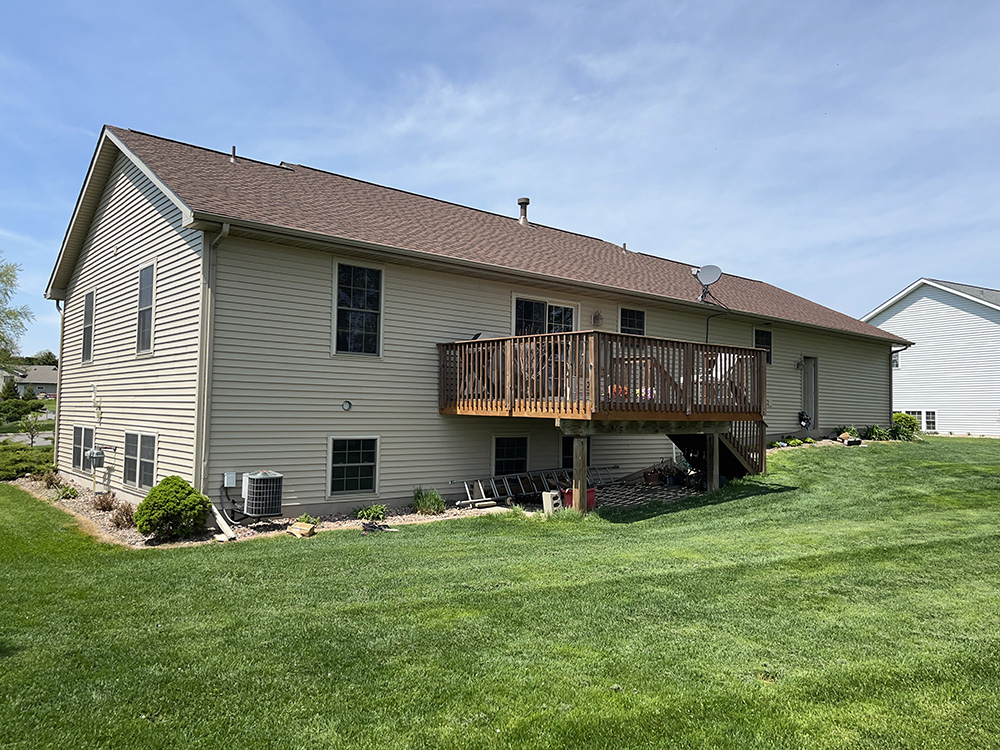
Twice a year is the baseline - once in spring after freeze-thaw season, once in fall before winter sets in. After any significant hail or windstorm, add an unscheduled inspection. Wisconsin's weather is hard on roofs, and small problems found in April cost a fraction of what they cost in December.
Get My Free Estimate →If you own or manage a duplex, apartment complex, condo association, or HOA community in Dane, Rock, or Green County, the roof over your tenants' heads is probably your single most expensive maintenance liability. It's also the one most property owners underinvest in - right up until water is dripping into Unit 4B and the phone won't stop ringing.
This guide is written for you: the property owner, building manager, or HOA board member who wants to protect the asset, keep tenants happy, and avoid the kind of surprise capital expense that blows up a budget.
Let's talk about what actually works.
Why Multi-Family Roof Maintenance Is Different
A single-family homeowner can get away with checking the roof every few years and patching things as they go. You don't have that luxury.
Multi-family roofs carry more risk - more penetrations (HVAC units, plumbing vents, exhaust fans), more foot traffic from maintenance staff, more drainage complexity, and a lot more downside when something goes wrong. One failed membrane seam or blocked interior drain can mean water damage across multiple units, displaced tenants, and an insurance claim that takes months to resolve.
South-central Wisconsin adds its own layer of difficulty. The freeze-thaw cycle through our winters is brutal on roofing materials. A flat or low-slope roof that holds standing water - even an inch - can develop ice dams, membrane stress cracks, and accelerated seam failure. Spring hailstorms across Dane, Rock, and Green counties are common and can cause damage that isn't visible from the ground but shortens roof life by years.
The bottom line: multi-family roof maintenance isn't optional. It's property management.
The Inspection Schedule That Actually Protects You
Twice a year, minimum. Spring and fall.
In April or May, after the last hard freeze, you want eyes on the roof to assess any winter damage - lifted flashings, membrane blistering, cracked sealant around penetrations, debris buildup in drains and gutters. Catching these early means inexpensive repairs before summer.
In October, before the ground freezes, you want to clear drains, inspect seams, and make sure the roof can handle what Wisconsin winters throw at it. A clogged roof drain discovered in January is a crisis. Discovered in October, it's a 20-minute fix.
After any significant storm, add an unscheduled inspection. A hailstorm that drops 1-inch stones on your building in June can damage a TPO or EPDM membrane in ways you can't see from the parking lot. Granule loss on modified bitumen roofs, punctures near seams, and dented metal flashings are all things an experienced commercial roofer will find - and an insurance adjuster will look for when you file a claim.
If you've had storm damage and haven't had someone up on the roof since, that's worth addressing now. Our team works directly with commercial insurance adjusters on-site to make sure nothing gets missed - see our storm damage restoration services for how that process works.
The Maintenance Tasks That Actually Move the Needle
Not all roof maintenance is equal. Here's where to focus your time and budget.
Keep Drains and Gutters Clear
This is the number-one thing that gets ignored and causes the most damage. Flat and low-slope roofs depend entirely on drainage. When drains clog with leaves, debris, or bird nesting material, water ponds. Ponding water is the enemy of every roofing membrane on the market.
Check interior roof drains monthly during leaf season. Clean gutters at least twice a year. Make sure downspouts discharge away from the foundation.
Inspect and Reseal Penetrations Annually
Every pipe, HVAC unit, vent, and conduit that comes through your roof is a potential leak point. The sealant around these penetrations dries out, cracks, and shrinks over time - especially with Wisconsin's temperature swings from -10°F in January to 90°F in July.
A tube of the right sealant applied by a roofer who knows what they're looking at costs almost nothing. Water infiltration around a failed HVAC curb flashing can rot decking and insulation across a large section of roof.
Watch for Membrane Blistering and Seam Separation
On flat roofs, blistering (bubbles under the membrane surface) and seam separation are early warning signs. They don't always leak immediately, but they will. A blister that gets walked on or hit by hail becomes a puncture.
Seam separation - where the membrane has pulled apart at a welded or glued joint - is where most flat roof leaks actually originate. This is something a trained eye catches on inspection. It's not something you'll see from the ground.
Don't Ignore the Flashings
Where the roof meets a wall, parapet, skylight, or mechanical unit, there's flashing. Flashing is almost always where roofs fail first, especially on older buildings. Lifted, corroded, or improperly installed flashings let water travel behind the membrane and into the wall assembly - sometimes showing up as interior damage far from the actual entry point.
If your building has had the same flashings for 15+ years, they deserve a close look.
Lifecycle Cost: The Real ROI Argument
Here's the conversation that matters for HOA boards and property investors: proactive maintenance is the cheapest roof you'll ever buy.
A commercial flat roof that costs $X to replace can last 25-30 years with proper maintenance. The same roof, neglected, might need replacement in 12-15 years - and may need emergency repairs along the way that cost more than the maintenance would have.
When you factor in tenant disruption, potential liability from water damage to personal property, and the cost of emergency repairs (which always carry a premium), the math on a regular maintenance program is obvious.
We work with property managers and HOA boards across south-central Wisconsin to develop inspection and maintenance schedules that fit the building's age, roof type, and budget. It's not complicated - it's just consistent.
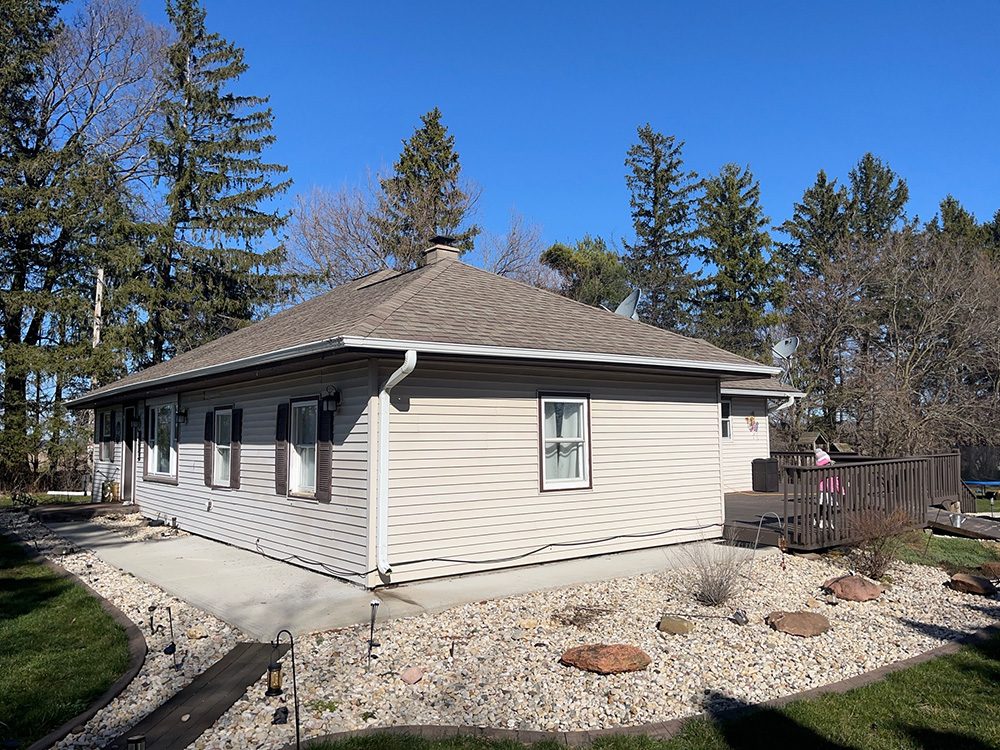
Want a straight answer on your roof?
We'll inspect it, document everything, and tell you honestly what you're looking at, even if the answer is patch it for now. No pressure.
What to Look for in a Commercial Roofing Contractor
This matters more than most property managers realize. Residential roofers and commercial roofers are not the same thing. A crew that's great at shingle replacement on single-family homes may have no business welding TPO seams on your apartment building.
When you're evaluating contractors for multi-family work, ask:
- Do they have documented experience with your specific roof type? TPO, EPDM, modified bitumen, and built-up roofing all require different skills and equipment.
- Are they licensed and insured for commercial work in Wisconsin? The liability exposure on a multi-unit building is different from a house.
- Can they provide references from similar properties? A contractor who's done good work for other property managers in Dane or Rock County should be able to point you to them.
- Do they offer a maintenance program, not just repairs? One-off repairs are fine, but a contractor invested in the long-term performance of your roof is more valuable.
You can see examples of the commercial work we've completed across the region in our recent projects, and hear from property owners and managers who've worked with us on our customer reviews page.
A Note on Insurance Claims for Multi-Family Roofs
Commercial property insurance policies cover hail and wind damage, but the claims process for multi-family properties is more involved than a residential claim. Adjusters are looking at larger surface areas, multiple roof sections, and sometimes different materials across the same building.
The documentation matters enormously. A contractor who shows up after you've already met with the adjuster is at a disadvantage - they're working from what was already written up, not what's actually on the roof.
We meet with commercial insurance adjusters on-site, walk the roof with them, and document every item that meets the threshold for a covered claim. That approach consistently produces better outcomes for our clients than the alternative.
If you manage a multi-family property in Madison, Janesville, Beloit, Monroe, or anywhere in south-central Wisconsin and you're not on a regular inspection schedule - or you haven't had the roof looked at since the last big storm - this is a good time to change that.
Our commercial roofing team offers free inspections and estimates for apartment buildings, condo associations, HOAs, and mixed-use properties. We'll give you a straight assessment of where the roof stands, what it needs now, and what you should be planning for. No pressure, no upselling - just an honest look from people who've been doing this since 1979.
Reach out to schedule your commercial roof inspection. The best time to find a problem is before it finds your tenants.
Get a straight answer on your Madison roof
Wisconsin storm season and insurance non-renewal letters do not wait. Get a free, no-obligation inspection and an honest assessment of exactly what your roof needs, even if the answer is to wait.