Age is the main cause, as the asphalt shrinks over time. Installation problems, moisture imbalance and, to a lesser degree, attic conditions can also cause curling.
Get My Free Estimate →Curling shingles are usually a sign of age. As an asphalt shingle gets older the asphalt shrinks, so the edges cup upward or the corners claw downward instead of lying flat.
Curling on a newer roof is different. It points to how the shingles were installed or to moisture in the deck underneath.
A few curled shingles can be repaired, but curling across a whole slope usually means the roof is near the end of its life. Buckshot repairs and replaces shingle roofs, and this guide explains what you are seeing and what to do about it.
What curling shingles look like
Curling shows up in two ways. Both are tied to the asphalt shrinking, on either the top or the bottom face of the shingle.
Cupping
Cupping is when the edges of a shingle turn up and the middle sinks, so each tab looks like a shallow dish. It is a normal wear pattern as shingles age.
Clawing
Clawing is the opposite. The edges and corners curl down while the middle bulges up, as if the shingle were gripping the roof.
How to spot curling from the ground
Stay off the roof and use binoculars from the yard. Look across each slope with the sun to the side, so lifted edges cast shadows.
A healthy roof reads as a flat, even surface. A curling roof looks bumpy or scaly, with light catching under lifted corners.
Check the gutters and the ground below the downspouts too. Heavy granule loss often comes with curling.
What causes shingles to curl
Age is the main cause. The others matter most when curling shows up earlier than it should.
Age and asphalt shrinkage
Years of sun and weather harden the asphalt in a shingle and shrink it. Once that happens, the shingle can no longer lie flat and loses the flexibility it had when new.
Our guide to roof lifespan explains how long asphalt roofs typically last. Our list of signs your roof needs replacing shows what curling usually appears alongside.
Installation problems
Poor installation can cause curling that appears early and in patches. Common causes include nails that are too short, too few nails per shingle, and nails placed in the wrong spot.
Shingles laid over a damp deck can also curl soon after installation. Curling within the first year of a new roof is a problem worth raising with the installer.
Moisture imbalance
Shingles can curl when the top and bottom layers sit at different moisture levels. One side swells or shrinks, and the shingle bends to make up the difference.
When moisture is coming from below, fixing it means finding the source, such as wet decking or a damp attic, rather than only replacing shingles.
Attic conditions
Many contractors blame attic heat for curling, but building scientists who study shingle aging rate ventilation as a minor factor. Age and sun exposure matter much more.
Attic ventilation is still worth checking, especially if the attic shows moisture. A damp attic can rot decking and feed ice dams, so our attic ventilation service is often part of the fix when a roof is replaced.
Why curling shingles matter
Curled shingles catch wind and let water in more easily. A flat shingle sheds water over the one below it, while a curled edge gives wind-driven rain a way underneath.
Wind is the bigger risk. A lifted corner can be creased or torn off in a storm, which turns curling into missing shingles and leaks.
Curling also tends to come with granule loss, which speeds up aging. If a storm has passed since you noticed the curling, our guide on how to check for wind damage shows what to look for from the ground.
Not sure whether your shingles are aging or something else is wrong? Our on-site roof inspection is free, so you can find out whether you need a repair, a replacement or nothing yet.
Free on-site inspection · Family-owned since 1979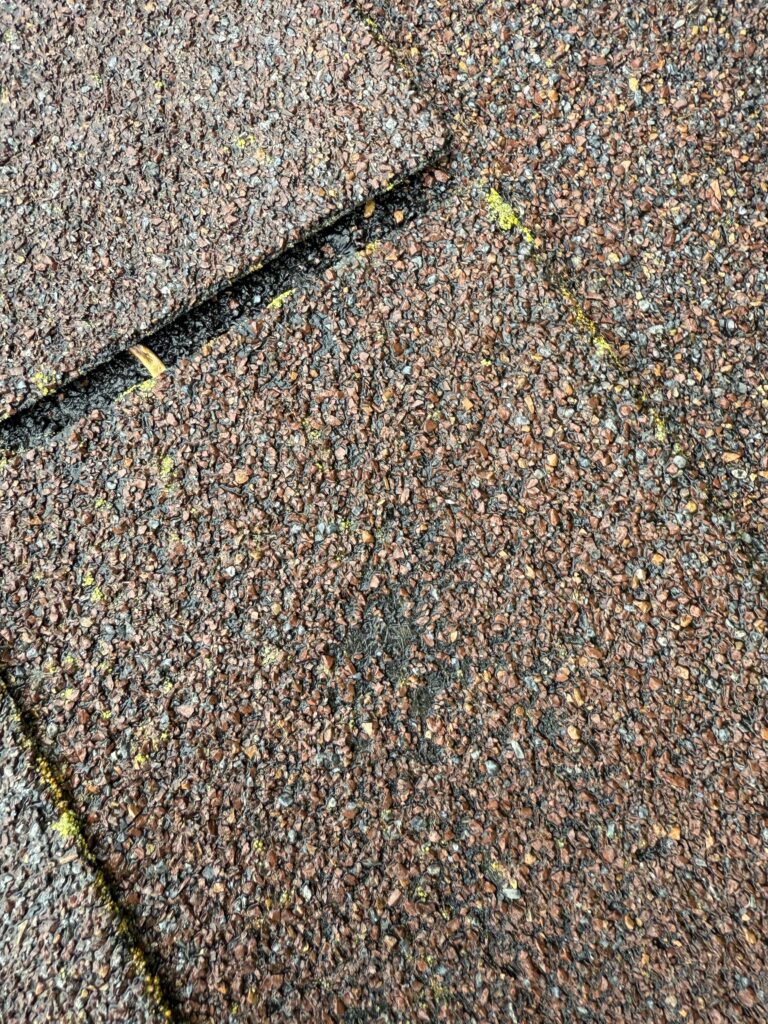
Repair or replace a curling roof
How much of the roof is curling matters more than how bad one shingle looks. A few curled shingles in one spot can be repaired, while curling across a whole slope usually means the shingles have worn out.
When repair makes sense
Targeted roof repair fits when the curling is limited to one area and the rest of the roof still lies flat. The damaged shingles are replaced and lifted edges are sealed down.
Repair stops making sense when the shingles are so brittle that working on one cracks the ones around it. At that point each repair creates more damage than it fixes.
Why nailing or gluing curled shingles is a short-term fix
A lifted tab or two can be sealed down with roofing cement on a younger roof. On a brittle, widely curled roof, the shingles keep trying to curl, so the fix does not last.
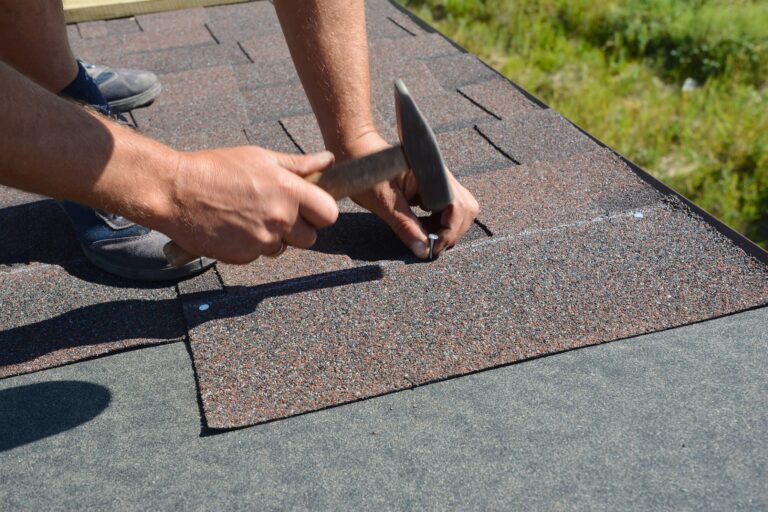
Nailing a curled shingle flat can crack it and leave a new hole for water. This is roof work, not a ladder job for a homeowner.
When replacement is the better choice
A roof replacement makes sense when curling is widespread, granule loss is heavy and the shingles have gone stiff. Patching a roof in that condition usually means paying twice.
A full tear-off also lets problems underneath be fixed. Damaged decking can be replaced, and ventilation can be corrected while the roof is open.
Our overview of asphalt shingles explains how shingle types differ if you are planning a new roof.
Signs a curling roof needs attention now
Curling alone rarely calls for an emergency. These signs mean it is time to act.
- Fresh water stains on upstairs ceilings or attic wood
- Shingles missing or creased after wind
- Granules piling up below the downspouts
- Soft or spongy spots in the roof
Want a straight answer on your roof?
We'll inspect it, document everything, and tell you honestly what you're looking at, even if the answer is patch it for now. No pressure.
Curling on a newer roof
New shingles should lie flat and seal down in their first warm season. Curling in the first year or two is a workmanship question, not an age question.
Take dated photos from the ground and note which slopes are affected. Then contact the installer in writing and ask what their workmanship warranty covers.
Manufacturer warranties generally cover defects in the shingles themselves, not installation mistakes. An independent assessment from a residential roofing contractor helps you understand which applies before you file anything.
What to check in your attic
A quick attic check on a cold morning can show whether moisture is part of the problem. Use a flashlight and look for these signs.
- Frost or water droplets on the underside of the roof deck
- Dark staining or soft spots on the decking
- Damp or matted insulation near the eaves
- Soffit vents blocked by insulation
Any of these point to moisture that can damage the deck. Insulation itself is a separate trade, but the ventilation and decking side of the fix is work we do.
Get a straight answer on your roof
Buckshot Exteriors is family-owned, has served homeowners since 1979, and has offices in Madison, Wisconsin and Centerville, Iowa. We repair and replace shingle roofs, and our on-site inspection is free.
Call (608) 909-9109 to schedule your free inspection, or send us a message and we will set a time. If you would rather check first, use the ground and attic checks above.
Get a straight answer on your Madison roof
Wisconsin storm season and insurance non-renewal letters do not wait. Get a free, no-obligation inspection and an honest assessment of exactly what your roof needs, even if the answer is to wait.