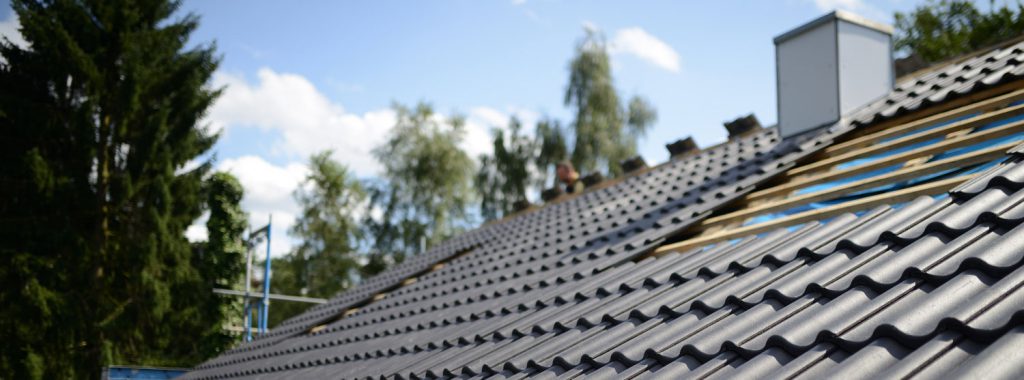
FORTIFIED is a building standard developed by the Insurance Institute for Business and Home Safety (IBHS). It requires specific upgrades beyond standard code, including a sealed roof deck, enhanced edge attachment, and impact-resistant materials. A certified installer follows those protocols and the work is verified by a third-party evaluator before a designation certificate is issued.
Get My Free Estimate →- What Is an IBHS FORTIFIED Roof?
- Does FORTIFIED Actually Help With Hail, or Just Wind?
- Why This Matters in Iowa Specifically
- The Insurance Angle: Premium Discounts, Deductibles, and What to Actually Ask Your Agent
- What a Certified FORTIFIED Installer Does Differently
- Cost vs. a Standard Re-Roof: The Honest Comparison
- A Note on Storm Chasers and High-Pressure Tactics
- The Evaluation and Designation Process, Step by Step
- Buckshot Serves Southern and Central Iowa
- Get a Free FORTIFIED Consultation
- FAQs
Iowa hail and wind storms are not gentle. If you have lived in Centerville, Ottumwa, or anywhere in southern or central Iowa for more than a few years, you already know that. The question worth asking is whether your next roof is just code-minimum, or whether it is actually built to survive what Iowa weather throws at it.
That is exactly what the IBHS FORTIFIED Roof program is designed to answer.
What Is an IBHS FORTIFIED Roof?
FORTIFIED is a voluntary construction standard developed by the Insurance Institute for Business and Home Safety, known as IBHS. It is not a product or a brand. It is a set of installation and material requirements that go meaningfully beyond standard building code, specifically to reduce damage from high winds, hail, and severe storms.
The program has three tiers: FORTIFIED Roof, FORTIFIED Silver, and FORTIFIED Gold. For most Iowa homeowners, FORTIFIED Roof is the entry-level tier and the most practical starting point. Silver adds requirements for openings like windows, doors, and attached structures. Gold addresses the full building envelope. Unless you are doing a broader renovation or want maximum whole-home storm resilience, FORTIFIED Roof is where to begin, and it is the tier most commonly recognized for insurance purposes.
IBHS updates its technical requirements periodically, so always confirm current specifications at ibhs.org. That said, the standard has consistently focused on three core areas.
Sealed Roof Deck
A sealed deck means the plywood or OSB sheathing is treated so that if shingles are lost in a storm, water cannot immediately pour into the home through the gaps between deck panels. This single detail prevents a significant amount of interior damage that standard roofs suffer even when the structural damage looks minor from the street.
Enhanced Edge Attachment
Roof edges fail first in high-wind events. FORTIFIED requires stronger attachment at the eaves and rakes, which keeps the roofing system from peeling back when wind gets underneath it. Standard code minimums are often not enough to handle a serious derecho or the kind of straight-line wind that moves through central Iowa in a bad summer storm.
Impact-Resistant Roofing Materials
Depending on the tier and your specific project, FORTIFIED may require shingles or other roofing materials that meet a defined impact-resistance rating. Class 4 impact-resistant shingles are the highest rating under the UL 2218 test standard, meaning they have been tested against simulated hail impact at the most demanding level.
These are not small details. They are the exact points where standard Iowa roofs fail during storms.
Does FORTIFIED Actually Help With Hail, or Just Wind?
Both, and this question comes up enough that it deserves a direct answer.
The sealed deck and enhanced edge attachment primarily address wind uplift. But Class 4 impact-resistant shingles are specifically designed and tested against hail. The UL 2218 test drops steel balls from a set height to simulate hailstone impact. Class 4 is the most demanding rating, and shingles that pass it are meaningfully more resistant to the kind of functional damage, cracked tabs, broken granules, exposed mat, that leads to leaks and insurance claims.
There is an important distinction here that matters for claims: cosmetic damage (dents or surface marks that do not affect the roof's function) is handled differently than functional damage (cracks or punctures that compromise waterproofing). A Class 4 roof reduces both, but it especially reduces the functional damage that drives real repair costs and claim disputes. That is where the protection has the most practical value.
Why This Matters in Iowa Specifically
Iowa sits in a part of the country with a well-documented history of severe hail and straight-line wind. Southern Iowa counties, including Appanoose, Wapello, Monroe, and Lucas, see serious storm activity on a regular basis. The Des Moines metro and surrounding areas have had multiple significant hail events that kept insurance adjusters busy for extended periods afterward.
Standard code-built roofs are designed to meet minimum safety thresholds. They are not designed to minimize storm damage claims. FORTIFIED is.
If you are already facing a roof replacement after storm damage, upgrading to FORTIFIED at that point is the smartest time to do it. The bulk of the labor cost is already in play. The incremental cost to meet FORTIFIED standards is often much more reasonable than homeowners expect.
For help understanding what storm damage you may already have, our storm damage inspection process is a good place to start.
What a Certified FORTIFIED Installer Does Differently
This is where certification actually matters, and it is worth understanding before you hire anyone.
IBHS requires that FORTIFIED work be performed by a contractor who has completed their training program. That training covers the specific installation techniques, material requirements, and documentation protocols the standard requires. It is not just about using the right shingles. It is about installing them correctly, in the right sequence, with the right underlayments and edge details, and then documenting all of it for the evaluator.
An uncertified contractor might use Class 4 shingles and still produce a roof that does not qualify for FORTIFIED designation, because the installation details did not meet the standard. The materials alone do not earn the certificate. The process does.
After installation, an independent IBHS-approved evaluator inspects the work. They are not employed by the contractor. They verify that the installation meets the standard before IBHS issues the official designation certificate. That certificate is what your insurance carrier will ask for.
One more thing worth saying plainly: a legitimate certified installer does not promise to waive your deductible or negotiate your insurance claim for you. That crosses into territory that can create legal and ethical problems for everyone involved. Our job is to document the damage accurately, install to the standard, and give you a thorough estimate. Your claim is yours to manage with your carrier.
Buckshot Exteriors has completed IBHS FORTIFIED training and installs to the standard. You can learn more about our FORTIFIED roofing program here.
Thinking about whether FORTIFIED makes sense for your home? Call us for a free consultation. We will give you a straight answer, not a sales pitch.
Cost vs. a Standard Re-Roof: The Honest Comparison
A FORTIFIED roof costs more than a standard re-roof. That is just true, and anyone who tells you otherwise is not being straight with you.
The premium over a standard project comes from a few places: upgraded materials (Class 4 shingles cost more than standard architectural shingles), the sealed deck treatment, enhanced edge fastening, and the evaluator fee. The total additional cost varies based on roof size, pitch, and material choices. There is no single number that fits every project, but the FORTIFIED-specific upgrades are typically a fraction of the total project cost rather than a doubling of it.
One cost surprise that catches homeowners off guard during any tear-off, FORTIFIED or not: decking and ventilation. When the old shingles come off, we sometimes find rotted or damaged deck boards, or ventilation that does not meet current standards. Replacing bad decking is priced per sheet and added to the project. It is not a scam, it is a real condition that only becomes visible once the roof is open. We document it with photos and walk you through it before we proceed. You will not find out about it on the final invoice.
What Your Insurance Claim May and May Not Cover
Whether your claim covers the full cost of a FORTIFIED upgrade depends on your policy type. An ACV (actual cash value) policy pays depreciated value, which often leaves a gap even for a standard replacement. An RCV (replacement cost value) policy covers the cost to replace with like kind and quality, but a FORTIFIED upgrade uses better materials, so there may still be an out-of-pocket difference for the upgrade portion.
Some homeowners finance that difference. Others find that the insurance premium savings over time offset it. We can walk you through what your specific claim settlement covers and what realistic options exist for the remainder.
What If Your Claim Gets Denied or Underpaid?
It happens, and it is one of the most frustrating situations a homeowner can face after a storm. If your carrier denies or underpays a claim, start by requesting the decision in writing with a specific explanation. Review your policy's appraisal clause, which is a formal dispute process that allows both sides to bring in independent appraisers if you cannot agree on the damage amount.
A public adjuster, who is licensed separately from your contractor, can advocate on your behalf through that process. Your roofing contractor's role is to document damage accurately and provide a thorough, honest estimate. We can be on-site when your adjuster visits to make sure nothing gets overlooked from a contractor's perspective. But we do not negotiate your claim for you, and any contractor who promises to "handle" your insurer or make your deductible disappear is a red flag worth taking seriously.
Our residential roofing page has more on what a full replacement project looks like and what goes into the estimate.

Want a straight answer on your roof?
We'll inspect it, document everything, and tell you honestly what you're looking at, even if the answer is patch it for now. No pressure.
A Note on Storm Chasers and High-Pressure Tactics
After a major hail event, out-of-town contractors flood the area. They knock on doors, push for same-day signatures, and sometimes promise outcomes they cannot deliver, including waived deductibles or guaranteed claim approvals. That is not how legitimate storm restoration works.
A trustworthy contractor will inspect your roof, give you a written estimate, explain your options clearly, and let you make the decision on your timeline. They will not pressure you to sign before your adjuster has even been out. Buckshot has been doing this work in Iowa since 1979. We are not going anywhere, and we do not operate that way.
The Evaluation and Designation Process, Step by Step
Here is what the process looks like from your perspective as a homeowner:
- Inspection and assessment. We look at your current roof, document any existing damage, and walk you through what a FORTIFIED installation would involve for your specific home.
- Project planning. We confirm material selections that meet FORTIFIED requirements and walk through the scope of work with you before anything starts.
- Installation. The roof is installed to FORTIFIED standards, with proper documentation at each stage. Photos, material records, and installation details are kept for the evaluator.
- Third-party evaluation. An IBHS-approved evaluator, independent of Buckshot, inspects the completed roof. This is a required step. No evaluation, no designation.
- Designation certificate. Once IBHS reviews the evaluator's report and approves it, they issue your official FORTIFIED designation certificate. This is the document you provide to your insurance carrier.
The timeline from installation to certificate depends on evaluator availability and IBHS processing, but most homeowners receive their certificate within a few weeks of the evaluation. Choosing FORTIFIED does not complicate your insurance claim or slow down the repair process. The designation is issued after the work is complete, so your roof gets fixed on a normal schedule.
Buckshot Serves Southern and Central Iowa
We are based in Centerville, Iowa, and we have been doing exterior work long enough to know what Iowa storms actually do to roofs. We serve homeowners across southern and central Iowa, including Ottumwa, Des Moines, Albia, Chariton, Osceola, and the communities in between.
Storm season does not wait. If you have damage that needs attention, we respond quickly and we can be on-site when your insurance adjuster visits to help make sure the inspection is thorough. Our role is to make sure nothing gets overlooked from a contractor's perspective, because missed damage means missed coverage. Your claim remains yours to manage with your carrier.

Get a Free FORTIFIED Consultation
If you are dealing with storm damage, planning a roof replacement, or just want to understand whether FORTIFIED makes sense for your home and your insurance situation, reach out to us. There is no pressure and no obligation. We will look at your roof, talk through your options, and give you a real answer.
Contact Buckshot Exteriors for a free inspection and estimate. We are locally owned, Iowa-based, and we have been doing this long enough to give you a straight answer.
Get a straight answer on your Madison roof
Wisconsin storm season and insurance non-renewal letters do not wait. Get a free, no-obligation inspection and an honest assessment of exactly what your roof needs, even if the answer is to wait.