
Small isolated damage-one or two cracked boards, a single dent-can often be repaired. But if you're seeing widespread warping, rot in multiple spots, rising energy bills, or moisture inside the walls, replacement usually makes more financial sense than chasing repairs one section at a time.
Get My Free Estimate →Your siding does a lot of quiet, thankless work. It keeps wind-driven rain out of your wall cavities, holds in heat during January, and takes the first punch from every hailstorm that blows through Dane, Rock, and Green counties. Most homeowners don't think about it until something looks obviously wrong.
But by the time it looks obviously wrong, the damage behind the siding is often worse than what you can see from the driveway.
Here's how to read the real warning signs - and what they mean for your home and your wallet.
The Visible Signs Most Homeowners Notice First
Warping, Buckling, or Panels That Won't Lie Flat
Siding that's bubbling, warping, or pulling away from the wall isn't just an eyesore. It means moisture has gotten behind the panels. In Wisconsin's climate - where we get hard freezes, spring thaws, and summer humidity all in the same year - trapped moisture expands and contracts constantly. That cycle destroys the wall sheathing underneath over time.
Run your hand along the wall. If panels flex or feel soft, that's a problem. Warping on vinyl can also mean it was installed too tight and has nowhere to expand, which is a common shortcut some installers take.
Cracks, Holes, and Chips
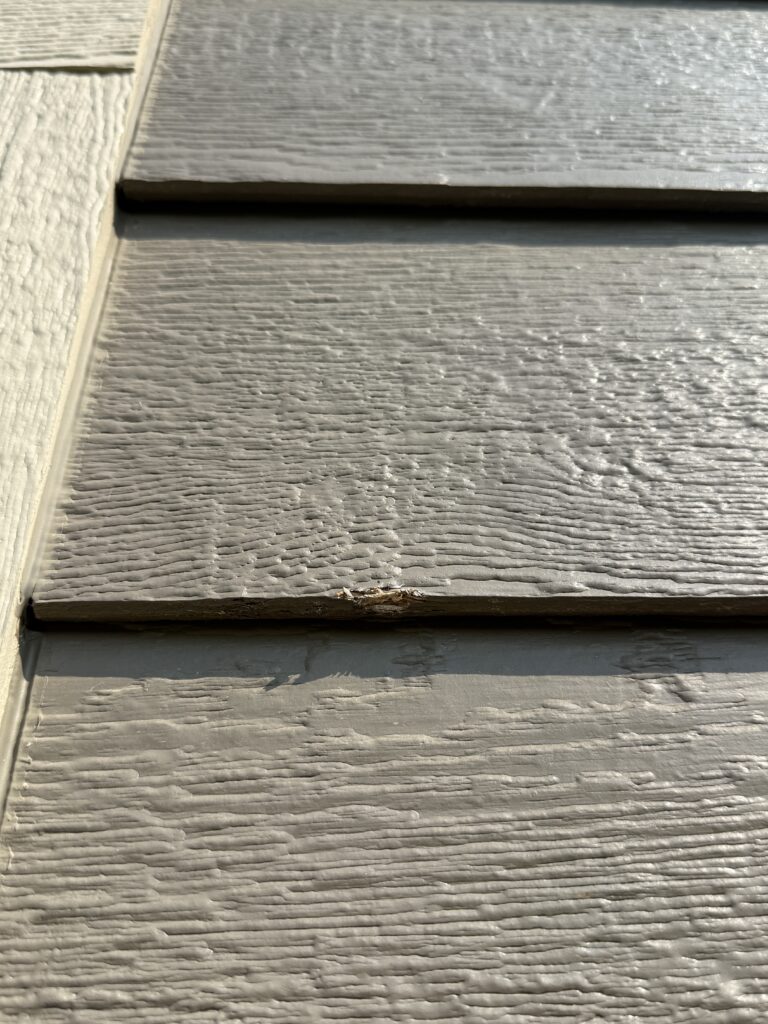
A single cracked board isn't necessarily a crisis. But if you're seeing cracking in multiple spots - especially on the south and west-facing sides of your home that take the most sun and storm exposure - that's a pattern.
Cracked siding is an open door for water infiltration. In Rock County and Green County especially, where we get significant hail activity in spring and summer, cracks from impact damage can be easy to miss until water damage shows up inside.
Fading and Chalking
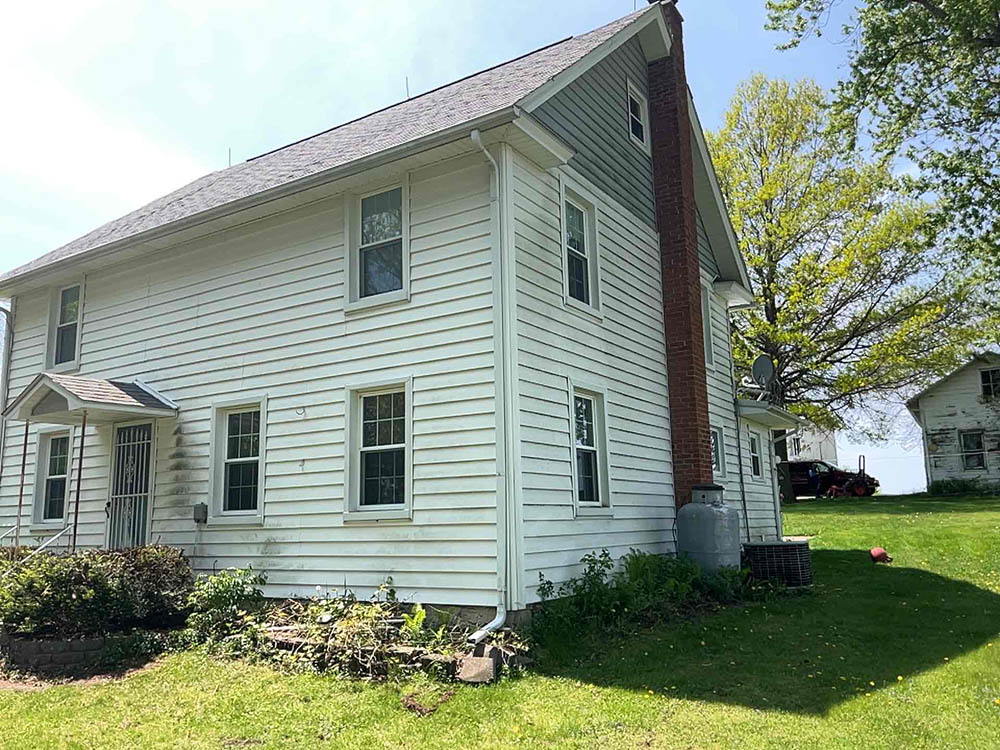
Siding fades over time. That's normal. But severe, uneven fading - or a chalky residue you can wipe off with your finger - means the protective coating has broken down. At that point, the material underneath is more exposed to UV and moisture than it's designed to handle.
This one's more of a "watch it" sign than a "replace it now" sign, but if you're seeing it alongside anything else on this list, it tips the scale.
The Signs You Have to Look Closer to Find
Rot or Soft Spots (Especially Around Seams and Trim)
This is the big one. Press your fingers firmly against the siding near windows, doors, corners, and anywhere two panels meet. If it gives - if it feels spongy - there's rot. With wood or fiber cement siding, rot can spread into the sheathing and framing if it's not caught early.
Vinyl doesn't rot itself, but it can allow rot in the OSB or plywood behind it. Don't assume vinyl means you're safe from this.
Peeling Paint or Wallpaper Inside the House
This one surprises homeowners. If paint is peeling on your interior walls, or wallpaper is bubbling near an exterior wall, moisture is getting in from outside. Siding failure is one of the most common causes. Before you repaint, find out where the water is coming from.
Mold, Mildew, or Fungal Growth
Some surface mold on siding can be cleaned. But mold growing at seams, in corners, or in patches that keep coming back after cleaning is a sign of persistent moisture - meaning the siding system itself is failing. In south-central Wisconsin's humid summers, mold moves fast once it gets established in a wall cavity.
Higher Heating and Cooling Bills Without Explanation
Siding is part of your home's thermal envelope. Old, failing siding - especially if the housewrap underneath has degraded - lets conditioned air escape and outside air in. If your energy bills have crept up and you can't explain why, siding (and the insulation behind it) is worth investigating.
After a Storm: What to Check
Hail and high winds are the most common cause of sudden siding damage in this part of Wisconsin. After a significant storm, walk the perimeter of your home and look for:
- Dents or dings in vinyl or aluminum siding (hail leaves a distinctive pattern)
- Cracked or broken panels where wind-driven debris hit
- Siding that's been blown loose or is no longer seated in its channel
- Damage to soffit and fascia along the roofline - often hit hard in the same storms
If you see any of this, it's worth having a contractor document it before you call your insurance company. Storm damage claims have deadlines, and having a professional walk the property with you - or with your adjuster - makes a real difference in what gets covered.
We respond to storm calls within 24 hours and can meet your insurance adjuster on-site to make sure nothing gets missed. Learn more about our storm damage restoration process.
Choosing Replacement Siding: What Actually Works in Wisconsin
Not all siding performs the same in our climate. Here's an honest look at your main options.
Vinyl Siding
The most common choice in south-central Wisconsin for good reason - it's affordable, low-maintenance, and doesn't need painting. The catch: cheap vinyl gets brittle in extreme cold and can crack in a hard hailstorm. If you're going vinyl, invest in a thicker profile (.044" or better). It makes a real difference in longevity.
Fiber Cement (James Hardie and similar)
Fiber cement holds up exceptionally well in Wisconsin's freeze-thaw cycles. It doesn't warp, rot, or attract insects. It's paintable, holds color well, and has a longer lifespan than most vinyl. The tradeoff is cost - it runs higher upfront - and it needs to be painted eventually. But for homeowners who plan to stay in their house long-term, the ROI is strong.
Engineered Wood
A middle ground between real wood aesthetics and better moisture resistance. Engineered wood products have improved significantly over the years. They can be a good option if you want the look of wood without the maintenance demands.
Real Wood
Beautiful, but demanding in Wisconsin. If it's not painted and caulked on a regular schedule, it will deteriorate. Most homeowners who have it are either replacing it with something lower-maintenance or committing to the upkeep. We're not against it - we just want you going in with eyes open.
Not sure which material makes sense for your home? Our team works with all of these products and can give you a straight answer based on your specific situation - no pressure, no upsell. Check out our siding services to see what we offer and what past projects have looked like.
Want a straight answer on your roof?
We'll inspect it, document everything, and tell you honestly what you're looking at, even if the answer is patch it for now. No pressure.
What Bad Contractors Skip (And Why It Matters)
The siding itself is only part of the job. What goes on underneath matters just as much.
Shortcuts we see regularly:
- Installing over old siding without checking what's underneath (hides rot, adds weight, misses the actual problem)
- Skipping or cutting corners on housewrap - the moisture barrier that protects your sheathing
- Improper flashing around windows and doors, which is where most water infiltration starts
- Nailing too tight on vinyl, which causes buckling and voids manufacturer warranties
A contractor who's been doing this for decades knows that the fastest install isn't always the right one. If a bid seems unusually low, ask what they're doing with the housewrap and how they handle flashing. The answer tells you a lot.
What to Do Next
If you've read through this list and checked a few boxes, don't sit on it. Siding damage that's caught early is almost always cheaper to deal with than siding damage that's had a year or two to let moisture work into your walls.
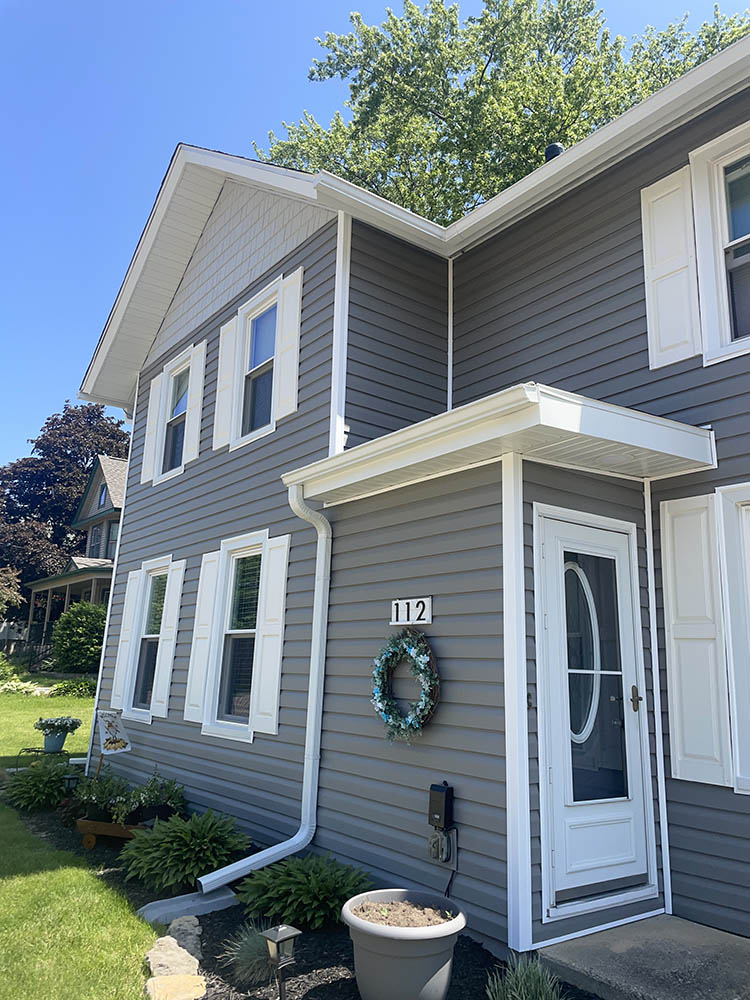
We've been doing this in south-central Wisconsin since 1979 - Dane County, Rock County, Green County, and the communities in between. We know the weather here, we know the building stock, and we know what lasts. You can see what our customers say about working with us on our reviews page, or browse recent siding projects to get a sense of the work.
Call Buckshot Exteriors for a free on-site inspection. We'll tell you honestly whether you need a full replacement, targeted repairs, or just a closer eye on things for now. No obligation, no pressure - just a straight answer from someone who knows what they're looking at.
Reach out through our contact page or give us a call. We're locally owned, we pick up the phone, and we show up when we say we will.
Get a straight answer on your Madison roof
Wisconsin storm season and insurance non-renewal letters do not wait. Get a free, no-obligation inspection and an honest assessment of exactly what your roof needs, even if the answer is to wait.