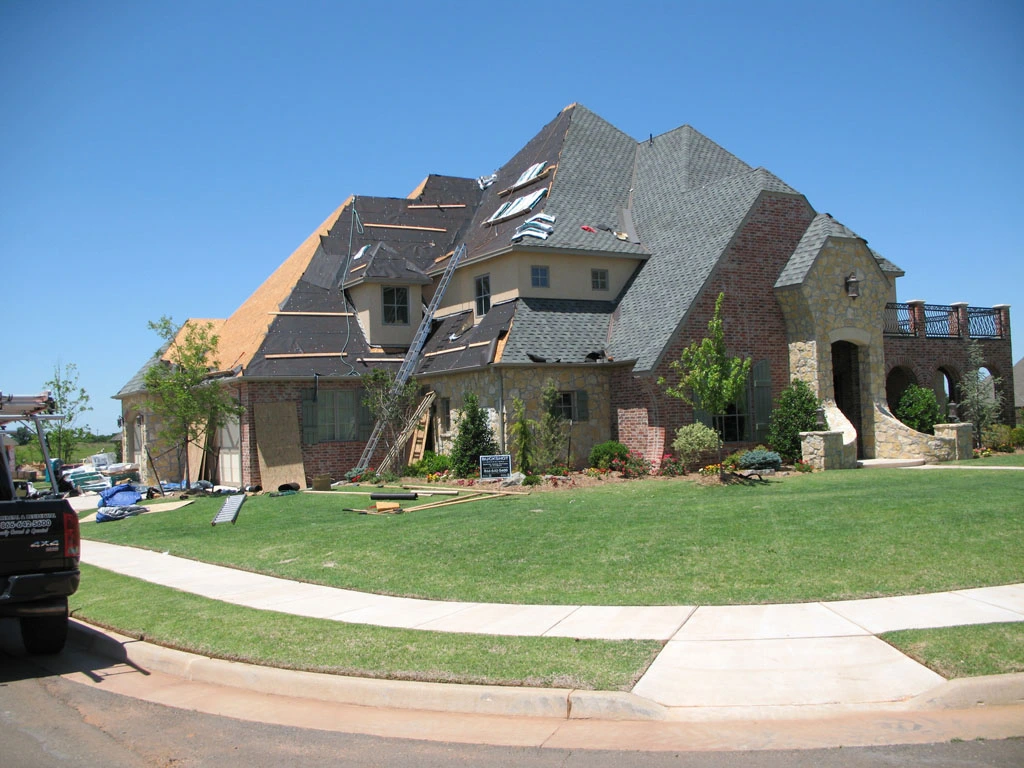
FORTIFIED is a building standard developed by the Insurance Institute for Business & Home Safety (IBHS). It adds specific requirements on top of basic building code - things like sealed roof decks, enhanced hip or edge details, and impact-resistant shingles rated to withstand larger hailstones. A standard code-compliant roof meets minimum requirements; a FORTIFIED roof is engineered to survive more severe weather events without failing.
Get My Free Estimate →After a bad hailstorm rolls through Dane or Rock County, the roofing sales calls start. And somewhere in those conversations, somebody is going to pitch you a "FORTIFIED roof" - usually with a price tag that's noticeably higher than the standard option.
Is it worth it? Or is it mostly a marketing label slapped on a premium shingle?
The honest answer is: it depends on your home, your insurance, and how long you plan to stay. Let's break it down plainly.
What "FORTIFIED" Actually Means
FORTIFIED is a construction standard created by the Insurance Institute for Business & Home Safety (IBHS) - the same research organization that does those dramatic car-crash-style roof tests you may have seen online.
It's not just a shingle brand. It's a whole-assembly standard. To earn a FORTIFIED designation, a roof has to meet specific requirements across several categories:
- Impact-resistant shingles - Class 4 rated, meaning they've passed the UL 2218 test using a 2-inch steel ball dropped from 20 feet
- Sealed roof deck - peel-and-stick self-adhering membrane over the entire deck, not just the eaves
- Enhanced edge sealing - starter strips and drip edge installed to a higher standard than typical code requires
- Sealed attic openings - ridge vents and other penetrations detailed to resist wind-driven rain
That last point surprises a lot of homeowners. A FORTIFIED roof isn't just about shingles. It's about keeping water out even when the assembly is under stress from wind or ice.
A standard code-compliant roof in Wisconsin meets the International Residential Code minimums - felt or synthetic underlayment, ice-and-water shield at the eaves, standard architectural shingles. It's fine. Millions of homes have them. But "meets code" means it passed the minimum bar, not the storm-performance bar.
Why South-Central Wisconsin Makes This Question Harder
If you're in Brodhead, Janesville, Monroe, Madison, or anywhere in Dane, Rock, or Green County, you live in a mixed-threat climate. That matters.
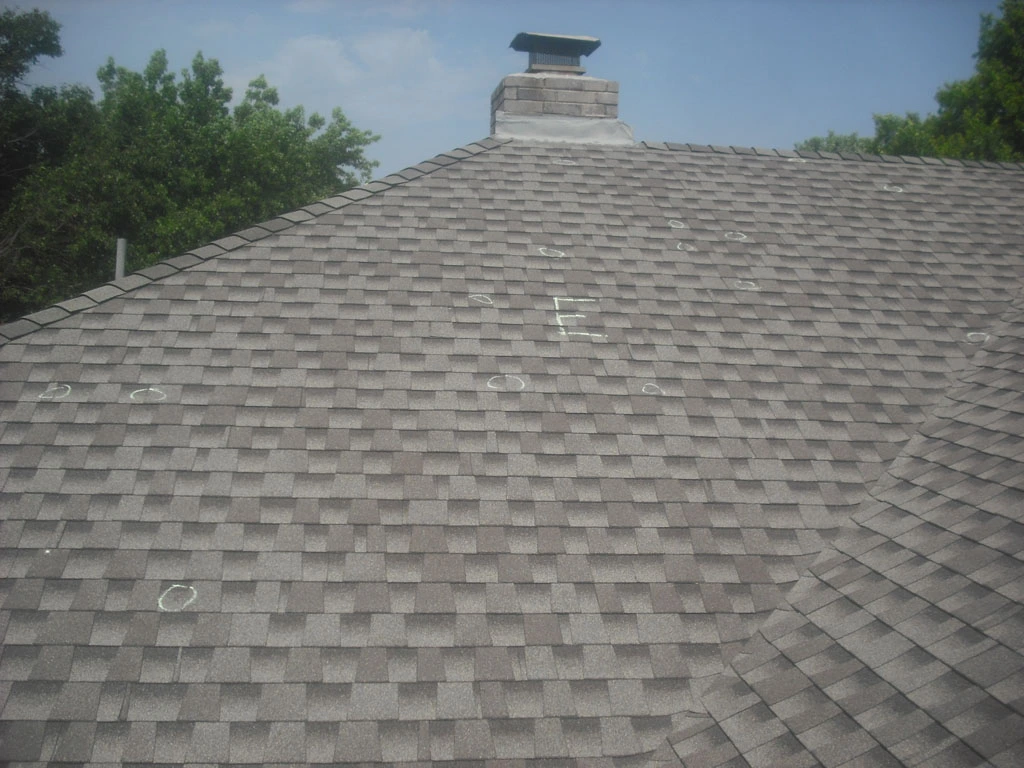
Hail hits this area more often than people expect. We're not Oklahoma, but we see 1-inch-plus hailstorms several times a decade - enough to bruise or crack standard shingles and trigger insurance claims. Class 4 shingles genuinely perform better here.
Snow load is a real factor. A sealed deck helps prevent ice-dam water infiltration, but it doesn't change the structural load your trusses carry. If you have an older home with marginal attic ventilation, a FORTIFIED roof assembly addresses part of the ice-dam problem - not all of it.
Freeze-thaw cycling is brutal on roofing systems. We can go from 45°F to 10°F in 48 hours in January. That repeated expansion and contraction stresses every nail hole, every lap joint, every piece of flashing. A sealed deck and better edge details mean fewer entry points for water during those cycles.
Wind - straight-line storms off Lake Michigan or out of the northwest can peel standard drip edges and starter strips. The enhanced edge requirements in FORTIFIED construction address exactly this failure mode.
So the climate case for FORTIFIED in south-central Wisconsin is real. The question is whether the cost pencils out for your situation.

The Real Cost Trade-Off
Here's where contractors sometimes gloss over the details. A FORTIFIED upgrade isn't just swapping in a fancier shingle. The full-deck peel-and-stick requirement alone adds meaningful labor and material cost. On a 2,000-square-foot ranch, you might be looking at several hundred dollars more just for that step - before you factor in the Class 4 shingles, which run more per square than standard architectural.
Rough range: expect a FORTIFIED upgrade to add somewhere in the 15-30% range over a standard architectural shingle job. On a $12,000 roof, that's $1,800-$3,600 more.
Whether that's worth it comes down to three questions:
- Will your insurance company give you a discount? Some do. Some don't. Wisconsin doesn't require carriers to offer impact-resistant credits the way Florida does. Call your agent before you sign anything.
- How long are you staying in the house? If you're selling in two years, the ROI math is tough. If you're staying 15-20 years, the reduced likelihood of a storm claim - and the reduced stress that comes with it - has real value.
- What's the condition of your deck and attic? If you have soft spots, poor ventilation, or marginal insulation, those need to be addressed regardless of which shingle you choose. A FORTIFIED roof on a poorly ventilated attic is still going to have ice-dam problems.
Where Standard Roofs Fail (and FORTIFIED Ones Don't)
After 47 years of roofing in south-central Wisconsin, we've seen the same failure patterns repeat. Here's where standard roofs give out:
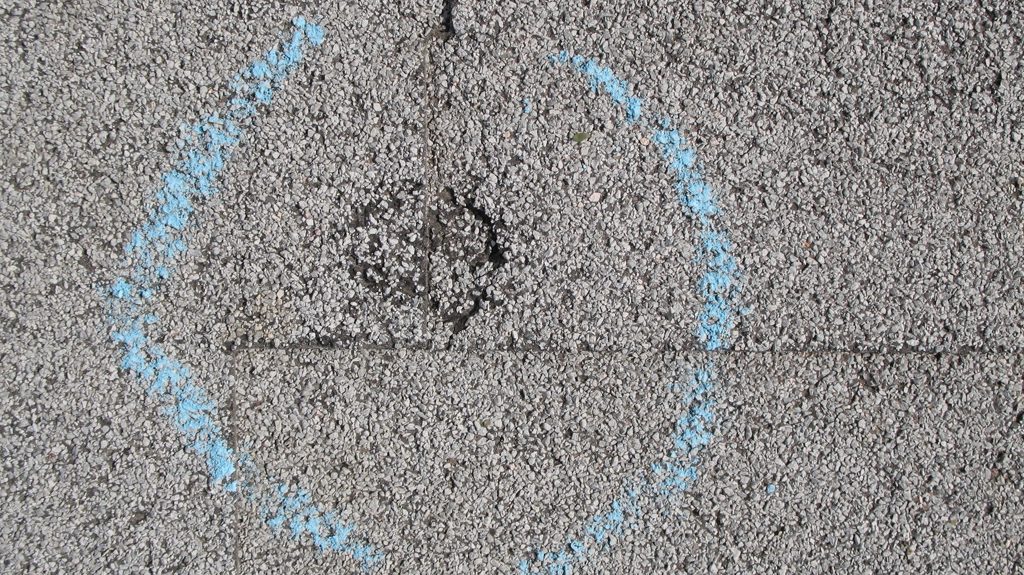
Hail bruising on standard 3-tab or entry-level architectural shingles. The granules crack and displace. Water gets to the mat. Five years later you've got leaks. Class 4 shingles resist this.
Ice dam infiltration at the eaves. Standard code requires ice-and-water shield 24 inches up from the eave - or to the warm wall line in cold climates. A FORTIFIED sealed deck covers the whole surface. Water backing up under shingles has nowhere to go.
Wind-lifted drip edge and starter strips. We see this constantly after straight-line wind events. The starter strip peels, the drip edge lifts, and the fascia and first course of shingles go with it. FORTIFIED edge details are fastened and sealed more aggressively.
Nail pops and blow-offs from improper nailing zones. This isn't a FORTIFIED-specific fix, but it's worth mentioning: a lot of storm damage we inspect was made worse by shingles that were nailed in the wrong zone during the original install. A good contractor doing a FORTIFIED job is going to be detail-oriented across the board.
Want a straight answer on your roof?
We'll inspect it, document everything, and tell you honestly what you're looking at, even if the answer is patch it for now. No pressure.
A Note on GAF Master Elite and Product Quality
Not every contractor can install every manufacturer's Class 4 shingle lineup with full warranty backing. Buckshot Exteriors holds GAF Master Elite certification - a standing that fewer than 2% of roofing contractors in the country achieve. It means we can offer GAF's strongest warranty coverage, including on their impact-resistant Timberline HDZ and ArmorShield II lines, which are common choices for homeowners weighing a FORTIFIED-style upgrade.
That matters because the shingle warranty and the workmanship warranty are two different things. A premium shingle installed by a contractor who isn't certified by that manufacturer may not carry the full warranty you think you're getting.
If you're comparing bids and one contractor is significantly cheaper, ask what warranty they can actually back in writing - and whether they're certified by the manufacturer to do so.
What About Storm Insurance Claims?
If you've already had hail or wind damage, the FORTIFIED vs. standard question gets more complicated. Your insurer will typically pay to restore your roof to its pre-loss condition - not to upgrade it. If you want Class 4 shingles instead of standard architectural, you may need to pay the upgrade difference out of pocket.
That's not a reason to skip it. It's just the reality of how claims work.
We help homeowners navigate this all the time. As a storm damage contractor with decades of experience in south-central Wisconsin, we meet your adjuster on-site to document everything properly - so you're not leaving legitimate damage off the claim before you decide what to do with the upgrade question.
So - Is FORTIFIED Worth It in Wisconsin?
For most homeowners planning to stay in their home 10+ years, in a neighborhood that's seen repeated hail events, with an insurer who offers even a modest impact-resistant credit: yes, the upgrade is worth serious consideration.
For someone on a tight budget, selling soon, or in a low-hail-frequency area: a quality standard architectural shingle installed correctly by a certified contractor is still a very good roof.
The worst outcome isn't choosing standard over FORTIFIED. It's choosing either one and having it installed by a crew that cuts corners on the underlayment, nailing pattern, or edge details. That's where roofs fail in Wisconsin - not just in the shingle choice.
If you're trying to figure out which direction makes sense for your home specifically, we're happy to walk through it with you - no pressure, no upsell script. Our residential roofing team has been doing this in Dane, Rock, and Green counties for over four decades.
Contact us for a free inspection and estimate. We'll look at your current roof, talk through your insurance situation, and give you a straight answer on whether a FORTIFIED upgrade pencils out for your home - or whether a well-installed standard roof is the smarter call. That's the conversation we'd want someone to have with us if we were the homeowner.
Get a straight answer on your Madison roof
Wisconsin storm season and insurance non-renewal letters do not wait. Get a free, no-obligation inspection and an honest assessment of exactly what your roof needs, even if the answer is to wait.