It depends on your insurer. Some carriers offer discounts for FORTIFIED-certified roofs, but Wisconsin doesn't mandate it the way some coastal states do. Call your agent before you invest - ask specifically whether they recognize the IBHS FORTIFIED Home designation and what documentation they need.
Get My Free Estimate →You've probably seen the term "FORTIFIED roof" pop up in a conversation with your insurance agent, or maybe a contractor mentioned it after last summer's hailstorm. It sounds like marketing language. It's not.
FORTIFIED is a building standard developed by the Insurance Institute for Business & Home Safety (IBHS) - the same research organization that crash-tests homes the way the IIHS crash-tests cars. It's science-based, third-party verified, and genuinely different from a standard roof replacement.
Here's what it actually means, what it costs you, and whether it makes sense for a home in Dane, Rock, or Green County.
What the IBHS FORTIFIED Standard Actually Requires
IBHS created the FORTIFIED program to address the most common ways roofs fail in storms. Not aesthetics. Not R-value. Failure modes - the specific weak points where wind and hail turn a $12,000 roof into a $40,000 insurance claim.
To earn the FORTIFIED Roof designation (the entry-level tier), a roof system has to meet all of these:
1. A Sealed Roof Deck
This is the requirement most contractors skip because it costs more and takes longer. FORTIFIED requires a fully sealed roof deck - typically a self-adhering underlayment applied across the entire deck surface, with seams taped. The goal is to keep water out even if shingles are blown off or punctured by hail.
In Wisconsin, this has a bonus effect: a sealed deck is one of the best ice-dam defenses you can install. Our freeze-thaw cycles are brutal on standard felt underlayment. This upgrade pays dividends even in years with no major storm.
2. Impact-Resistant Shingles (Minimum Class 3)
FORTIFIED requires shingles rated at least Class 3 under UL 2218 impact testing. Class 4 is even better and may qualify you for additional insurance discounts. These shingles are designed to withstand steel-ball drop tests simulating hailstones - and they perform measurably better in real hail events.
If you've had a roof claim after a hailstorm in the Madison area, there's a good chance your old shingles were standard 3-tab or basic architectural shingles with no impact rating. Class 3 and 4 shingles aren't magic, but they're a real upgrade.
3. Enhanced Fastening
FORTIFIED specifies nail type, nail length, and fastening pattern - more nails per shingle than most standard installations. This matters in high-wind events. A shingle installed with four nails instead of the code-minimum six (or installed with the nail too high on the shingle) can peel off in a 60 mph wind gust. That's not hypothetical - it's what we see on roofs after every major storm in this region.
4. Drip Edge and Starter Strip Requirements
FORTIFIED requires proper drip edge installation and a specific starter strip along rakes and eaves. These details prevent water intrusion and wind-uplift failure at the roof edges - the first place a roof starts to fail.
5. Third-Party Verification
Here's what separates FORTIFIED from a contractor just saying "we build 'em tough." A designated FORTIFIED evaluator - someone independent of the contractor - inspects the installation before the designation is issued. The homeowner gets a certificate. It's documented.
The Three Tiers: Roof, Silver, Gold
FORTIFIED Roof covers just the roof system. It's the starting point and the most common designation for existing homes.
FORTIFIED Silver adds protection for attached structures, garage doors, and other openings. This tier matters more in coastal hurricane zones than in Wisconsin.
FORTIFIED Gold requires the entire building envelope - walls, openings, and roof - to meet IBHS standards. It's more relevant for new construction.
For most south-central Wisconsin homeowners, FORTIFIED Roof is the practical target. It addresses the two biggest risks we face: hail damage and wind-driven water intrusion.
What FORTIFIED Doesn't Cover (Be Honest With Yourself)
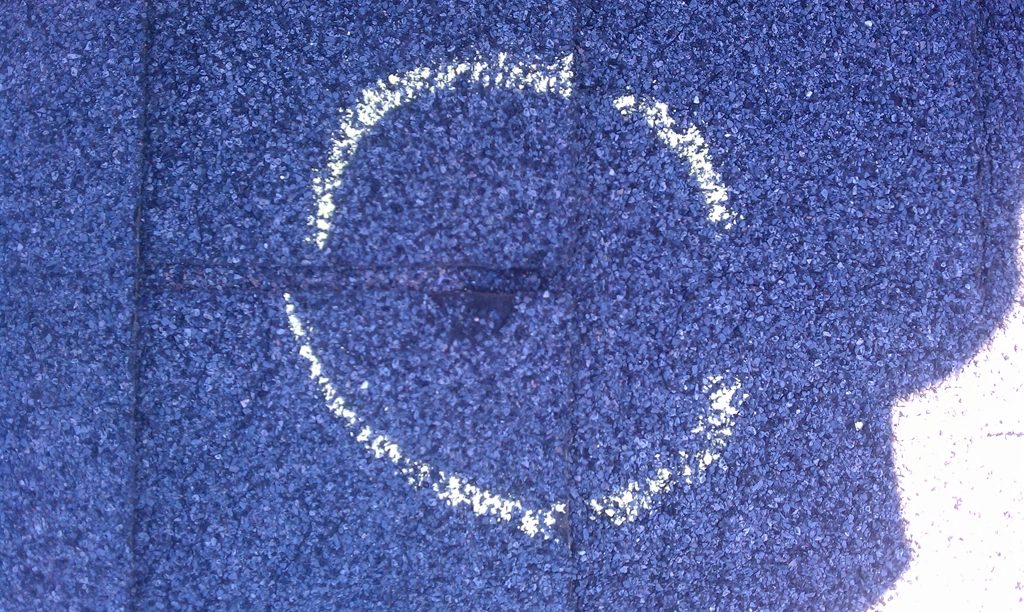
FORTIFIED is not a guarantee against all damage. A Class 4 shingle can still be damaged by very large hail (2"+ stones). A sealed deck won't stop a tree from coming through your roof. And FORTIFIED doesn't address structural snow load directly - though a properly installed, well-fastened roof deck handles Wisconsin's snow loads better than a sloppily built one.
It also doesn't automatically mean lower premiums. Wisconsin insurers are not required to offer FORTIFIED discounts, unlike some southern states that have passed legislation mandating them. Some carriers do offer discounts - Erie, Chubb, and a handful of others have recognized the designation - but you need to call your agent before you assume the math works in your favor.
If your insurer offers no discount and you're paying a significant premium for Class 4 shingles and sealed deck installation, the financial case gets thinner. That doesn't mean it's wrong - a more resilient roof still means fewer claims, less disruption, and better protection for your home. But go in with clear eyes.
What This Looks Like on a Real Wisconsin Roof
Let's say you're replacing the roof on a 2,000 sq ft colonial in Verona, Stoughton, or Brodhead. A standard architectural shingle job might run one price. A FORTIFIED Roof installation - with Class 4 shingles, self-adhering underlayment across the full deck, enhanced fastening, and proper drip edge - costs more. How much more depends on the specific products and your roof's complexity.
The sealed deck underlayment alone adds material and labor cost. Class 4 shingles cost more per square than standard shingles. But you're also getting a roof that performs better in the hail events that hit this region most springs, and one that handles ice-dam conditions more gracefully than a standard felt install.
If you're planning to stay in your home 15+ years, the calculus often favors the upgrade. If you're selling in three years, it's a harder call - though a FORTIFIED certificate can be a selling point with informed buyers.
Want a straight answer on your roof?
We'll inspect it, document everything, and tell you honestly what you're looking at, even if the answer is patch it for now. No pressure.
A Note on Contractor Quality
The FORTIFIED designation is only as good as the installation behind it. A contractor who doesn't understand the fastening requirements, who rushes the sealed deck application, or who skips the drip edge spec is building a roof that won't pass third-party verification - and shouldn't.
This is where contractor selection matters as much as product selection. At Buckshot Exteriors, we've been installing roofs in south-central Wisconsin since 1979. We hold GAF Master Elite certification - a designation that requires demonstrated installation quality and ongoing training. That background means we understand what proper fastening, proper underlayment application, and proper edge detail actually look like in the field.
If you want to explore whether a FORTIFIED-level installation makes sense for your home, reach out for a free inspection and estimate. We'll look at your current roof, talk through your insurance situation, and give you an honest recommendation - not a sales pitch.
How FORTIFIED Fits Into Wisconsin's Storm Reality
Dane, Rock, and Green counties are in the heart of the Upper Midwest hail corridor. We don't get hurricanes, but we get significant hail multiple times most years, plus wind events that regularly hit 60-70 mph in severe thunderstorm lines. We also get freeze-thaw cycles that stress standard roofing systems in ways that southern contractors don't fully appreciate.
The IBHS FORTIFIED standard was designed primarily with hurricane zones in mind, but the core requirements - sealed deck, impact-resistant shingles, enhanced fastening - translate directly to our climate. The sealed deck is arguably more important here than in the Gulf Coast, because ice dams are a Wisconsin-specific failure mode that a sealed deck helps prevent.
If you've had a storm damage claim in the last few years, or if you're watching neighbors get new roofs after every hail event while yours keeps getting patched, it's worth having a real conversation about what a better-built roof looks like. We've worked with homeowners across this region on storm restoration and we see the same failure points on roofs over and over - most of them preventable with better installation standards.
The Bottom Line
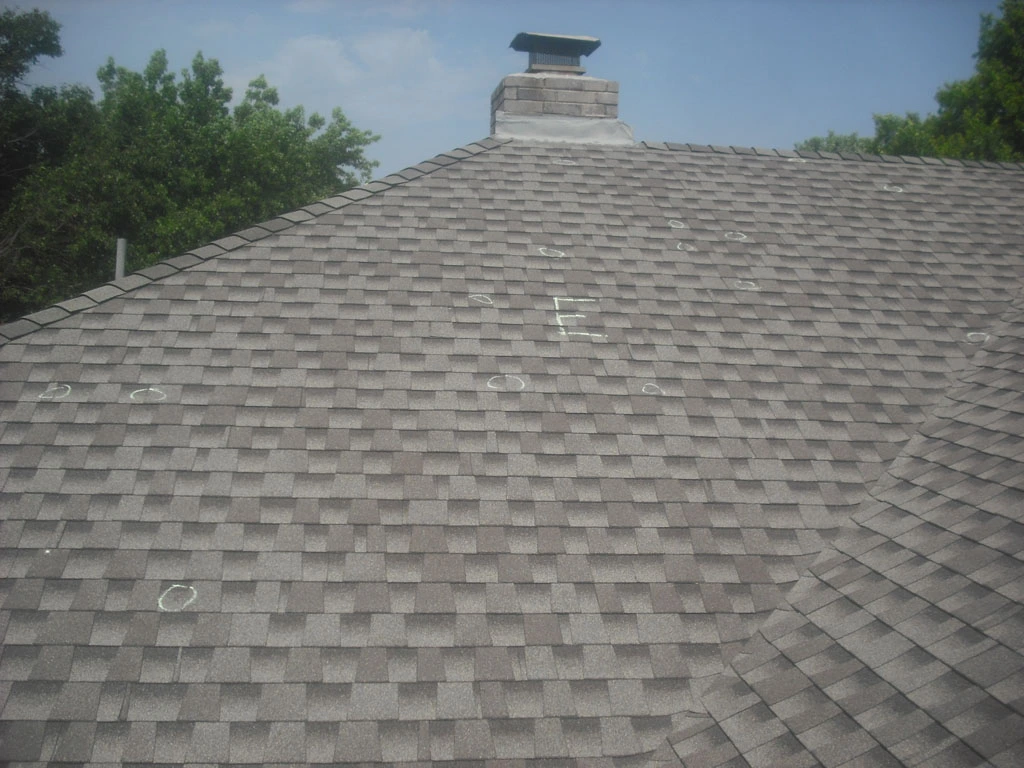
FORTIFIED Roof is a legitimate, science-backed standard. It's not marketing. It requires real upgrades - sealed deck, impact-resistant shingles, enhanced fastening - and it requires independent verification. For Wisconsin homeowners who face regular hail, wind, and ice, those upgrades make physical sense.
Whether they make financial sense depends on your insurer, your timeline, and your risk tolerance. That's a conversation worth having before you sign a contract for a new roof.
We've been having that conversation with Wisconsin homeowners for over 47 years. Read what our customers say about how we work, then give us a call. A free roof inspection costs you nothing, and you'll walk away knowing exactly what you have and what your options are - FORTIFIED or otherwise.
Ready to talk through your roof? Contact Buckshot Exteriors for a no-pressure free estimate. We serve Brodhead, Madison, Verona, Stoughton, Janesville, Monroe, and the surrounding communities across Dane, Rock, and Green counties.
Get a straight answer on your Madison roof
Wisconsin storm season and insurance non-renewal letters do not wait. Get a free, no-obligation inspection and an honest assessment of exactly what your roof needs, even if the answer is to wait.