
The most active stretch runs from late April through September. Severe hail, straight-line winds, and tornadoes are most common in May, June, and July - but a damaging storm can hit any time of year, including late-season ice storms in October and November.
Get My Free Estimate →- When Does Wisconsin Storm Season Actually Hit?
- What These Storms Actually Do to Your Home
- Before Storm Season: What's Worth Doing
- After a Storm Hits: The Order of Operations Matters
- What a Legitimate Storm Damage Claim Looks Like
- South-Central Wisconsin Has Specific Risks Worth Knowing
- The Bottom Line
- FAQs
If you've lived in south-central Wisconsin for more than a few years, you already know: storm season isn't a maybe. It's a when.
From Madison to Janesville, Verona to Stoughton - this part of the state gets hit with hail, high winds, and severe thunderstorms every single year. Some seasons are worse than others, but the pattern is consistent. And most homeowners are less prepared than they think.
This guide covers what to realistically expect from Wisconsin storm season, how to protect your home beforehand, and what to do in the hours and days after a storm hits your neighborhood.
When Does Wisconsin Storm Season Actually Hit?
The active window runs roughly late April through September. Peak months for severe weather in Wisconsin are May, June, and July, when warm Gulf moisture collides with cold Canadian air over the upper Midwest.
That combination produces the kind of storms that send golf-ball-sized hail through your shingles and strip the siding off one side of your house in under ten minutes.
Don't write off the shoulder seasons either. Early spring storms can bring damaging ice and late-season hail. October windstorms can peel back flashing and lift shingles that were already marginal. Winter ice dams create their own category of damage entirely.
The honest answer: there's no completely safe month for Wisconsin roofs.
What These Storms Actually Do to Your Home
Most homeowners think storm damage is obvious - a tree through the roof, missing shingles you can see from the street. Sometimes it is. More often, it isn't.
Hail Damage: The Silent Problem
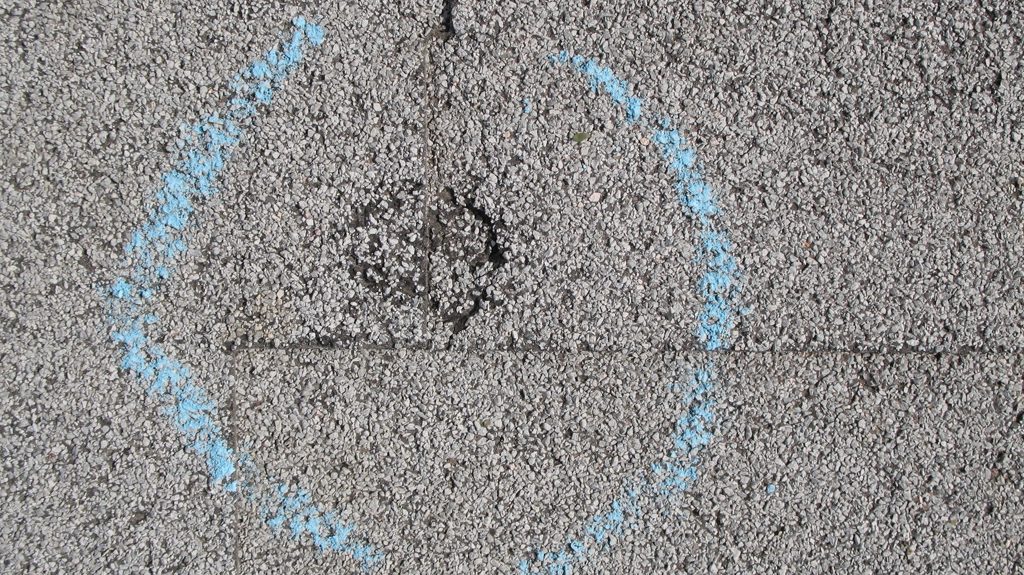
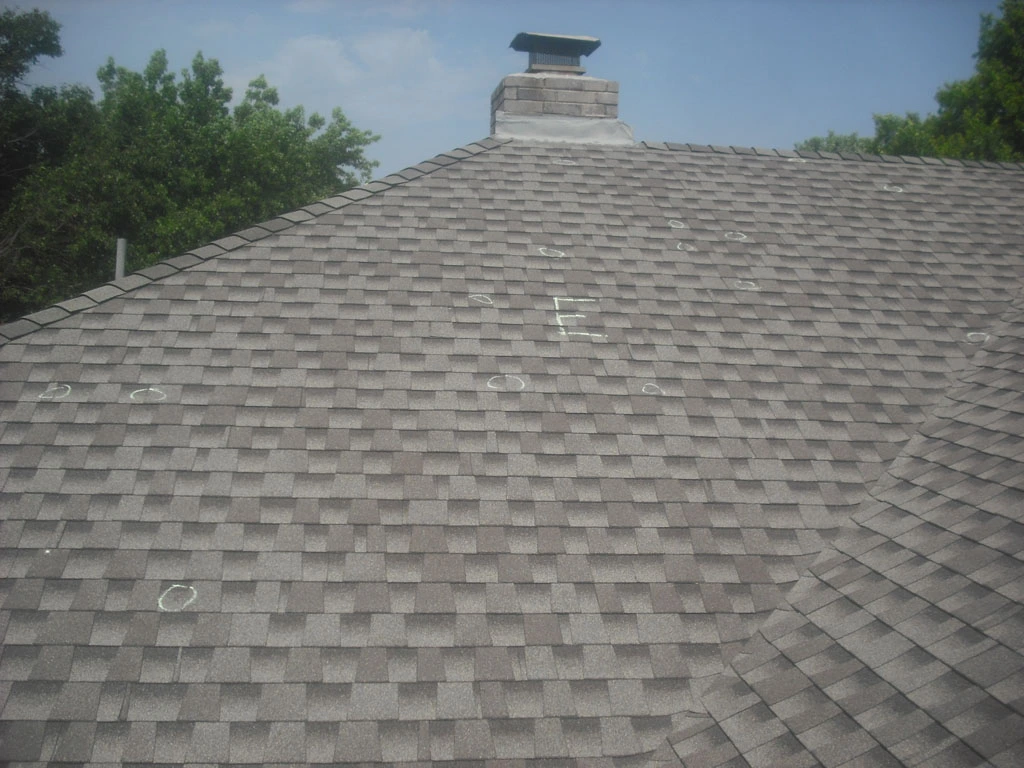
Hail is the sneakiest damage type. A hailstorm that drops 1-inch stones across your neighborhood might leave your roof looking completely normal from the ground. But up close, those impacts knocked granules loose from your shingles, bruised the mat underneath, and started a clock on accelerated aging.
Your roof might not leak for another year or two. By then, your insurance claim window may have closed.
On gutters, downspouts, and metal flashing, hail leaves dents that are actually useful - adjusters use them to confirm hail size and verify the storm event. On siding, hail cracks vinyl and dents aluminum in ways that compromise the seal, not just the appearance.
Wind Damage: More Than Missing Shingles
Wisconsin thunderstorms regularly produce straight-line winds that the National Weather Service has clocked at 60-80 mph across south-central Wisconsin. At those speeds, shingles lift, seal strips break, and nails can back out of the decking. You might not lose entire shingles - but the bond is broken, and the next heavy rain will find those weak spots.
Wind also forces water under ridge caps, lifts flashing around chimneys and skylights, and drives rain horizontally into places it was never designed to reach.
The Damage You Don't See
This is the part that matters most for your insurance claim: a lot of real, covered Wisconsin storm roof damage is invisible from the ground and easy for a rushed adjuster to miss.
That's why getting a qualified contractor up on your roof before the adjuster arrives is so important. More on that below.
Before Storm Season: What's Worth Doing
A few hours of preparation genuinely matters. Here's what we'd tell our own neighbors:
- Get a roof inspection every spring. Not because something is necessarily wrong - but because you want to know your roof's condition before a storm, not after. If damage shows up post-storm, you need to be able to show it wasn't pre-existing.
- Clean your gutters. Clogged gutters during a heavy storm cause water to back up under the drip edge and rot your fascia. It's a $200 gutter cleaning versus a $3,000 fascia repair.
- Trim trees near the house. Specifically branches that hang over the roof or within falling distance of it. Arborists in the Madison area get busy in spring - schedule early.
- Know your insurance policy. What's your deductible? Do you have Replacement Cost Value (RCV) coverage or Actual Cash Value (ACV)? ACV policies depreciate your roof's value, which can mean a much smaller check. Find out now, not when you're filing a claim.
- Document your current roof condition. A few dated photos from the ground - and from a ladder if you're comfortable - before storm season can be valuable if you ever need to dispute a pre-existing damage claim from an insurer.
After a Storm Hits: The Order of Operations Matters
Here's where a lot of homeowners make expensive mistakes.
Step 1: Document First, Then Call a Local Contractor
Right after a storm, before anyone else arrives, take dated photos of anything you can safely see - from the ground, from windows, from the yard. Note the date and time. This is your baseline, and it belongs to you regardless of who you call next.
From there, many experienced contractors - including us - recommend calling a trusted local roofer before you file with your insurer. Once you file a claim, the clock starts. An adjuster will be dispatched, and their job is to document what they find efficiently and move on. They're not trying to miss damage, but they're also not spending two hours on your roof looking for every hail impact.
A contractor who gets there first can do a thorough inspection, photograph everything with context, and note damage across the roof, gutters, siding, and other exterior surfaces. That documentation becomes your advocate in the claims process.
Our team at Buckshot Exteriors has been doing storm damage inspections across south-central Wisconsin since 1979. We've seen what adjusters catch and what they miss. We show up knowing what a legitimate claim looks like - and we make sure nothing gets overlooked.
Already been through a storm? Don't wait. Contact us for a free inspection before you file your claim - it costs you nothing and could mean the difference between a full settlement and a partial one.
Step 2: Have Your Contractor Present When the Adjuster Comes
This is one of the most underused tools available to Wisconsin homeowners, and it's completely legitimate.
When your insurance adjuster schedules their inspection, ask your contractor to be there. A good contractor knows what adjusters look for, can point out damage the adjuster might otherwise pass over, and can speak the same technical language - slope measurements, impact patterns, functional versus cosmetic damage.
We do this routinely for homeowners throughout the Madison area. It's not confrontational - it's making sure the full scope of damage gets documented accurately.
Step 3: Watch Out for Storm Chasers
After any significant storm in Wisconsin, out-of-state crews descend on affected neighborhoods. They drive unmarked or magnetic-sign trucks, knock on doors within hours of the storm, and pressure homeowners to sign contracts on the spot.
Some warning signs:
- No local address - just a phone number or a P.O. box
- Pressure to sign an "Assignment of Benefits" form, which hands them control of your insurance claim
- Vague or verbal-only estimates with no written scope
- No verifiable local reviews or references
- Large cash deposits required upfront
In Wisconsin, legitimate residential contractors are required to hold a Dwelling Contractor Certification issued by the Department of Safety and Professional Services (DSPS). Ask any contractor you're considering to provide their certification number - a real local company will hand it over without hesitation. You can verify it yourself at the DSPS online license lookup.
These storm-chaser operations take the insurance money and disappear. The work, if done at all, is often substandard - wrong materials, improper installation, no permits pulled.
Check real local reviews before you hire anyone. Ask how long they've been in business in Wisconsin. A company that's been here since 1979 isn't going anywhere.
Want a straight answer on your roof?
We'll inspect it, document everything, and tell you honestly what you're looking at, even if the answer is patch it for now. No pressure.
What a Legitimate Storm Damage Claim Looks Like
A proper residential roofing claim for storm damage typically covers:
- Full roof replacement if hail or wind damage is widespread and functional
- Gutters and downspouts if visibly impacted
- Siding if damage is documented and matches the storm event
- Interior damage caused by the storm, such as water intrusion
What it doesn't typically cover: pre-existing wear, deferred maintenance, or damage the homeowner caused. That's another reason your pre-storm documentation matters.
Wisconsin policies vary, but most standard homeowner policies do cover sudden storm events. The disagreement, when there is one, is usually over scope - how much damage, which surfaces, replacement cost versus depreciated value. Having a contractor who knows how to document and communicate that scope is your single biggest advantage.
South-Central Wisconsin Has Specific Risks Worth Knowing
The geography of this region matters. Communities along the Rock River corridor, the Yahara chain of lakes, and the terrain between Madison and the Illinois border can see localized storm intensification. Hailstorms that form over Iowa County can grow by the time they reach Dane or Rock County.
We've been on roofs across this region for more than four decades. In our experience, large-hail events hit this part of Wisconsin with enough regularity that a proactive inspection habit - before storm season and after any significant storm - just makes practical sense. That's not a sales pitch. It's what we'd tell a family member.

The Bottom Line
Wisconsin storm season will come. The question is whether you're ready for it - and whether you have the right people in your corner when it does.
Get your roof looked at before the storms hit. Know your insurance coverage. And if a storm does damage your home, get a local contractor you trust on your roof before you file a claim.
Buckshot Exteriors has been serving south-central Wisconsin homeowners since 1979. We offer free storm damage inspections, we'll meet your adjuster on-site, and we have 24-hour emergency response when serious damage happens. Reach out through our contact page or give us a call to schedule your free inspection. No pressure, no obligation - just an honest look at what you're dealing with and what your options are.
Don't wait until you're in the middle of a claim to find out where you stand.
Get a straight answer on your Madison roof
Wisconsin storm season and insurance non-renewal letters do not wait. Get a free, no-obligation inspection and an honest assessment of exactly what your roof needs, even if the answer is to wait.