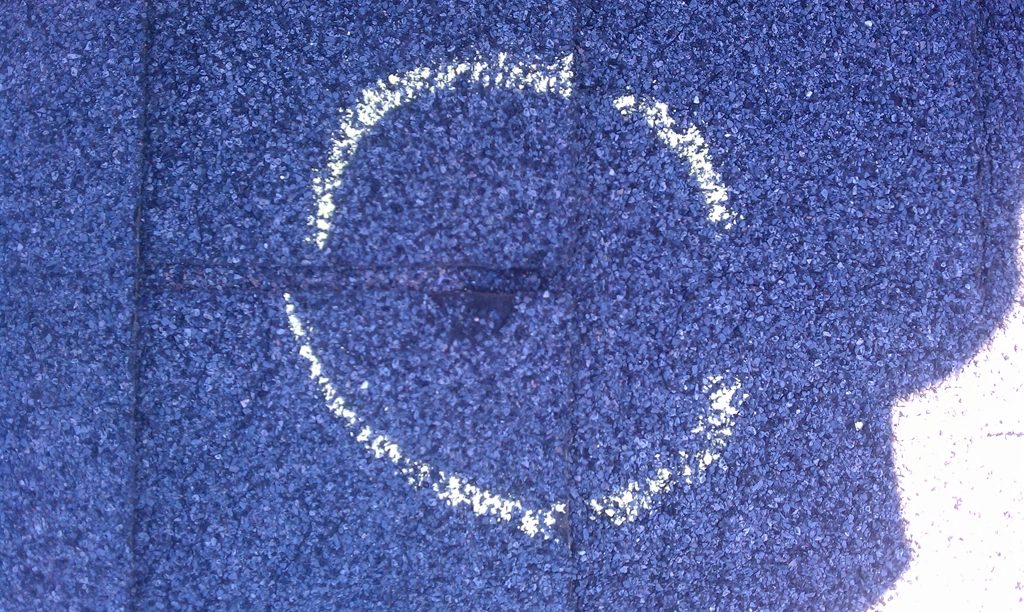
Call a trusted local contractor first. A good contractor will document all visible damage with photos and notes before anything gets disturbed. That documentation protects you when the adjuster arrives. Filing a claim without documentation can leave money on the table.
Get My Free Estimate →- Step 1: Make Sure Everyone Is Safe First
- Step 2: Document Everything Before You Touch Anything
- Step 3: Call a Local Contractor - Before You Call Your Insurance Company
- Step 4: Protect Your Home From Further Damage (Reasonably)
- Step 5: Watch Out for Storm Chasers
- Step 6: Review Your Policy and File Your Claim
- Step 7: Request Your Free Wisconsin Storm-Damage Insurance Claim Checklist
- Step 8: Schedule Your Professional Roof Inspection
- The Short Version: Your After-the-Storm Checklist
- Don't Go Through This Alone
- FAQs
The storm rolled through last night. Maybe it was a classic Wisconsin summer hailstorm - the kind that comes out of nowhere over Dane County and leaves dents in everything it touches. Maybe it was straight-line winds through Green or Rock County that peeled back flashing and sent branches into your siding.
Either way, you're standing in your driveway this morning wondering what to do next.
Here's the honest truth: the next 24 hours matter more than most homeowners realize. What you do - and what you don't do - right now will directly affect how your insurance claim goes and how much of the repair cost actually gets covered.
This checklist is built for south-central Wisconsin homeowners. Follow it in order.
Step 1: Make Sure Everyone Is Safe First
Before you think about your roof or your claim, do a quick safety sweep.
Check for downed power lines near the house. If there's any standing water near your electrical panel, stay out and call your utility company. Look for structural damage - a sagging roofline, cracked foundation, or compromised walls. If anything looks structurally unsafe, don't go inside until a professional clears it.
Once you know it's safe, then you start documenting.
Step 2: Document Everything Before You Touch Anything
This is the step most homeowners skip, and it costs them.
Walk your entire property and take photos and video of every piece of damage you can see from the ground. Dented gutters. Cracked siding. Broken window screens. Missing shingles. Debris on the roof. Damaged landscaping or fencing. Anything.
Don't move debris yet. Don't sweep up hailstones. Don't try to tarp the roof yourself if it means disturbing evidence of how the damage happened. That documentation is your paper trail.
A few practical tips:
- Use your phone's timestamp feature so every photo is date-and-time stamped
- Take wide shots first (full side of house), then close-ups of specific damage
- Film a slow walk-around video narrating what you're seeing - it sounds simple, but adjusters respond well to this
- Check inside for water intrusion: wet insulation in the attic, water stains on ceilings, damp drywall near windows
Step 3: Call a Local Contractor - Before You Call Your Insurance Company
This one surprises people, but it's important.
Your insurance adjuster is a professional - but they're also managing dozens of claims right after a storm. They can miss things. They work from a scope of loss document, and if certain damage isn't on that document, it may not get covered.
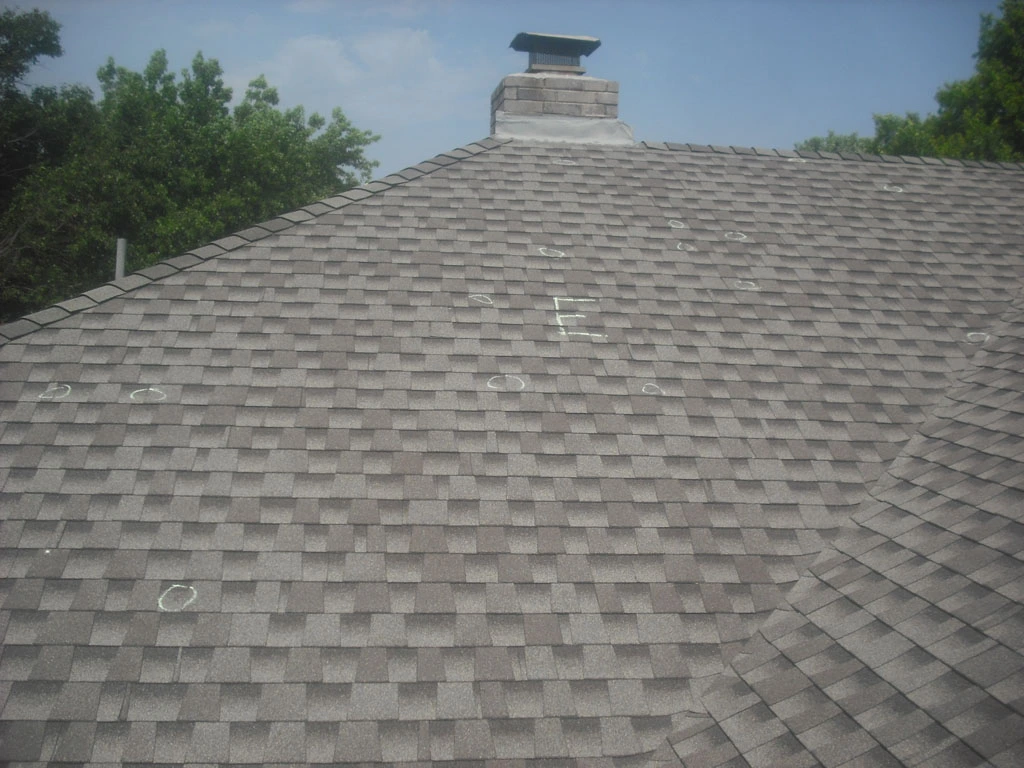
A trusted local contractor walks your roof before the adjuster does, documents every impact mark, notes code-required upgrades, and builds a complete picture of what needs to be repaired or replaced. Then, when the adjuster comes out, your contractor is there with them - pointing out what they found, answering questions, making sure nothing gets overlooked.
That's exactly how we work at Buckshot Exteriors. We meet your adjuster on-site, every time. It's not adversarial - it's just making sure the full story gets told.
If you're in Dane, Rock, or Green County and you had significant hail or wind, reach out to our storm damage inspection team before you file. It costs you nothing, and it can make a real difference in your claim outcome.
Step 4: Protect Your Home From Further Damage (Reasonably)
Your policy almost certainly requires you to take "reasonable steps" to prevent additional damage after a storm. That means if you have a visible hole in your roof or a broken window, you should cover it - but do it carefully.
A few guidelines:
- Temporary tarping is fine - but don't attempt it yourself if the roof is steep, wet, or you're not comfortable. Call a contractor to do it safely.
- Keep all receipts for any emergency materials you buy (tarps, plywood, etc.) - these costs are often reimbursable
- Don't make permanent repairs before the adjuster has seen the damage
- Don't throw anything away - damaged shingles, gutters, or siding pieces can serve as evidence
Step 5: Watch Out for Storm Chasers
After any major hail event in Wisconsin, out-of-state contractors flood in within 24-48 hours. They knock on doors, promise fast work, and pressure you to sign immediately.
Some red flags to watch for:
- They can't give you a local address or office
- They ask you to sign an Assignment of Benefits (AOB) - this legally transfers your insurance rights to them
- They offer to "waive your deductible" (this is insurance fraud in Wisconsin)
- No verifiable local history, no real references, no Wisconsin contractor registration
- High-pressure urgency: "We're only in the area for two more days"
Buckshot Exteriors has been family-owned and operating in this part of Wisconsin since 1979. We're not going anywhere. When storm chasers are long gone, we're still here - answering calls, standing behind our work, and showing up for warranty issues years later. You can read what our neighbors say on Google and other review platforms.
Step 6: Review Your Policy and File Your Claim
Now that you have documentation and a contractor's assessment, it's time to contact your insurance company.
When you call, have ready:
- Your policy number
- The date and approximate time of the storm
- Your documentation (photos, video, contractor's preliminary notes)
- A list of every area of damage you've identified
Ask your adjuster specifically:
- What is my deductible for wind/hail?
- Is my policy ACV (Actual Cash Value) or RCV (Replacement Cost Value)? This matters a lot.
- What's the timeline for the adjuster visit?
- Are there any deadlines I need to know about for this claim?
ACV vs. RCV is a big one. An ACV policy pays you what your old roof was worth at the time of the storm - depreciated. An RCV policy pays to replace it at today's cost. If you have an ACV policy, your out-of-pocket cost will be higher. A good contractor will explain this clearly and help you understand what to expect.
Want a straight answer on your roof?
We'll inspect it, document everything, and tell you honestly what you're looking at, even if the answer is patch it for now. No pressure.
Step 7: Request Your Free Wisconsin Storm-Damage Insurance Claim Checklist
We put together a straightforward checklist specifically for Wisconsin homeowners navigating the storm claim process - what to document, what to ask your adjuster, and what to watch out for. It covers the details that tend to get missed.
You can request your free copy through our contact page. We'll get it to you right away, no strings attached.
Step 8: Schedule Your Professional Roof Inspection
Even if the damage looks minor from the ground, get a professional up there.
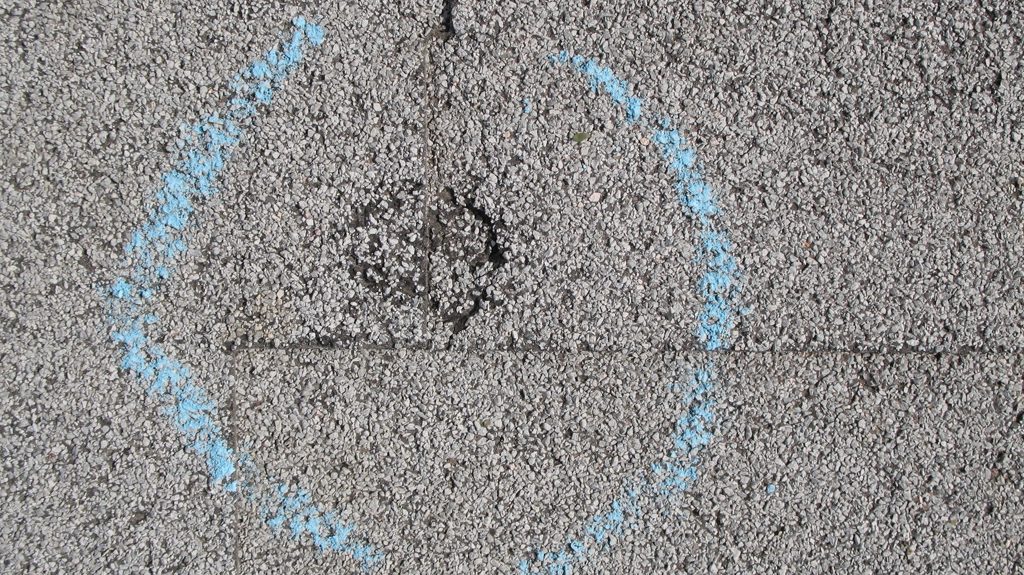
Hail damage in particular is sneaky. A storm that leaves obvious dents in your gutters and aluminum trim may have also cracked granules on every shingle - damage that won't show up as a leak for another 12-18 months. By then, the connection to the storm is harder to prove, and you may be past your claim window.
A proper residential roofing inspection from an experienced contractor gives you a clear, honest picture of what's there - and what it'll take to fix it.
The Short Version: Your After-the-Storm Checklist
- ✅ Confirm everyone is safe; check for structural hazards
- ✅ Document all visible damage with photos and video - before moving anything
- ✅ Call a local contractor for an inspection before calling your insurer
- ✅ Take reasonable steps to prevent further damage; keep all receipts
- ✅ Watch for storm chasers - verify any contractor's local history
- ✅ File your claim with full documentation in hand
- ✅ Have your contractor present when the adjuster visits
- ✅ Request your free claim checklist and schedule a formal inspection
Don't Go Through This Alone
A storm claim doesn't have to be a fight - but it does take some work to get right. The homeowners who come out ahead are the ones who document early, hire locally, and have someone in their corner when the adjuster shows up.
Buckshot Exteriors has been helping south-central Wisconsin families through this process for over 47 years. We do the inspection for free, we show up with your adjuster, and we give you straight answers - not sales pressure. If there's no storm damage, we'll tell you that too.
Call us or reach out online to schedule your free post-storm inspection. We offer 24-hour emergency response after major storm events, and we serve homeowners throughout Dane, Rock, and Green counties. Let's make sure you get what you're owed - and get your home protected the right way.
Get a straight answer on your Madison roof
Wisconsin storm season and insurance non-renewal letters do not wait. Get a free, no-obligation inspection and an honest assessment of exactly what your roof needs, even if the answer is to wait.